Feisty Aussies Fight Back Against the Corrupt Wind Pushers!

NSW Minister – Pru Goward – Joins Forces with Community Defenders to Kill Plans for Trustpower’s Rye Park Wind Farm Disaster

pru-goward

****

A week or so back we covered the antics of another foreign owned wind power outfit struggling to come to grips with the fact that Australian rural communities have had – as they say – ‘a gutful’ of the wind industry’s lies, treachery and deceit. And they’ve especially had enough of the bully-boy, stand-over tactics adopted by the thugs employed by the likes of Trustpower and Epuron:

Wind Industry Belting its ‘Message’ Home: Trustpower’s Thugs Assault 79-Year-Old Pensioner & Disabled Farmer

Since Trustpower’s thugs set upon highly respected local elder, Jim Field, the Yass and Rye Park communities have galvanised in their furious reaction to the manner in which he was treated. And rightly so.

Jim Field

****

The Yass and Rye Park communities’ brewing anger bubbled to the surface at a packed house meeting held in the Yass Memorial Hall on Friday, October 9.

And standing shoulder to shoulder with them was local State member and Minister for Mental Health and Assistant Minister for Health, Pru Goward. Here’s a little report on proceedings from the local rag.

Wind Turbines continue to create noise
Yass Tribune
Jessica Cole
16 October 2015

yass memorial hall

****

It was a full house at the Yass Memorial Hall on Friday to talk about the future of wind energy projects around the Hume electorate. Of the approximate 150 people who attended, the majority were against the establishment of wind farms.

Federal Member for Hume Angus Taylor and Member for Goulburn Pru Goward both attended the meeting that was hosted by a Rye Park group, attracting people from as far as Crookwell.

The development at the centre of discussion was the Rye Park Wind Farm project. Trustpower is proposing to erect 109 wind turbines, each 157 metres tall, with an approximate capacity of 327MW within the Rye Park area.

Ken Bell opened the meeting reminding people that these proposed turbines will be erected on Ngunnawal land and called for the crowd to respect each other’s views on the sensitive subject.

Angus Taylor

****

Mr Taylor was asked to speak and although he mentioned no particular preference to support nor decline the wind farm proposal he reminded residents that ongoing development was up to them.

“Unfortunately with these topics you will never get a 100 per cent agreement,” he said, “but you have to figure out what you want and come together to have your voice heard.”

Ms Goward took a harder line opposing the developments, supporting the complaints about health, noise and land depreciation. She spoke about the developments being a result of the federal government and assured those present that they can’t legislate wind farms.

“Increasingly, I am on the view that there is some validity on the health effects,” she said.

“There are a number of people with health problems … it is clearly not psychosomatic.”

She argued that securing and protecting residents from the turbines’ noise pollution was important.

“They impact upon the landscape and have an immediate effect upon land value,” Ms Goward continued.

“I am with this community and plan on putting pressure on the state government.

“I want to look after the health, prosperity and look of this beautiful area. We have to make sure not to let these wind farms divide us.”

Ms Goward also called for further land value and environmental reports to be done.
Yass Tribune

Angus Taylor may have simply been keeping his powder dry at Yass. Angus has been an STT pinup boy even before he stepped into the late STT Champion, Alby Schultz’s boots, as member for Hume – going back to his appearance at the Great Wind Power Fraud Rally in June 2013:

Rally – Angus Taylor

And Angus has seen plenty of action on the front foot, since then:

The Wind Industry’s Worst Nightmare – Angus Taylor – says: time to kill the LRET

Angus Taylor Joins the Wind Farm Rumble to Save Rugby & Rye Park

Taylor’s relatively neutral position at Yass, is part and parcel of just where the wind industry sits in Australia at the present time.

The major commercial power retailers have signalled that they will not enter long-term Power Purchase Agreements with wind farm outfits planning wind farms in communities, wherever there is significant and vocal opposition.

Without a PPA, wind power outfits will never obtain the finance necessary to build any new wind farms.

hunt

****

Hence the efforts by wind industry front man, Environment Minister young Gregory Hunt over the last couple of weeks to exhort retailers to hurry up and enter PPAs.

Hunt’s desperate and silly pleas are somewhat amusing. You see, Hunt and his mates at Infigen, Vestas & Co have, hitherto, never made any mention of the PPAs entered into between wind power outfits and retailers.

Those agreements have set guaranteed prices for wind power at between $100-120 per MWh – for power that has no commercial value (apart from the REC Subsidy it attracts): try selling a good on terms where you can never guarantee to supply it when a customer actually wants it; and where you’ll often be supplying it when a customer has absolutely no need for it. Basic commerce, to be sure; but try telling the Wind Gods that:

June 2015 National

Hunt’s wind industry benefactors have been at great pains to keep the terms of their PPAs under wraps (even flatly refusing to provide them to the Senate Inquiry into wind farms), simply because they would completely destroy the wind industry’s ludicrous claims about supplying power at prices cheaper than coal fired power; and equally ludicrous claims that the Large-Scale Renewable Energy Target lowers retail power prices. Notwithstanding that, from hereon, the LRET will add more than$45 billion to retail power bills on account of the REC Tax/Subsidy paid to wind power outfits, alone.

So, when Taylor told residents that ongoing development “was up to them”, it should be taken by community defenders as a ‘call to arms’. As STT has pointed out, just once or twice: fight them; and they will flee.

More pleasing still, was Pru Goward’s front foot approach; seizing on the concepts of community “health and prosperity”; and the fact that those fairly reasonable societal objectives are simply incompatible with fleets of bat-chomping, bird slicing, blade-chucking, pyrotechnic, sonic-torturedevices.

As to her call for “further land value” reports to be done, Pru need only tap into the work put together by highly experienced property valuer, Peter Reardon.

Reardon compiled a 30-page dossier on the impacts of wind farms on adjoining or nearby rural farms; and found that having these things as neighbours led to discounts of between “33 per cent and 60 per cent in the market place”. Reardon’s report and associated press releases are available to download below:

Southern Tablelands – Impact of Wind Farm Development on Surrounding Rural Land Values 2013

MEDIA Release Property devaluation

BDLG – Press Release

What Reardon found is little more than stating the bleeding obvious:

Potential Wind Farm Neighbour Finds Idyllic Property is Now ‘Unsaleable’ at Any Price

Wind Farms: Crushing Property Rights & Values Everywhere

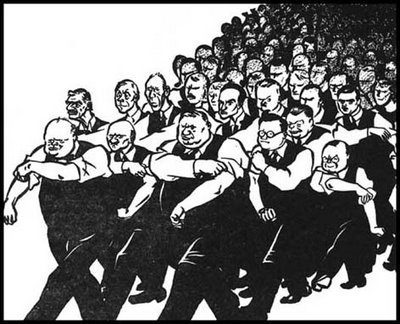
Thankfully, for community defenders in NSW out to protect their hard-won common law property rights (you know, that seemingly forgotten right to own, live in and otherwise enjoy a home free from interference from incessant turbine generated low-frequency noise and infrasound), they have an ally in Pru Goward. But, as Angus Taylor suggests, winning the battle to maintain and preserve those rights is down to each and every community defender. United, you cannot fail.
angry-mob

Wind Turbine Emissions Can Make You Sick….Here’s More Proof!

Irish Wind Farm Study Proves Turbine Noise Causes Disease

Professor Alun Evans

****

WIND FARMS DO MAKE YOU SICK
Irish Daily Mail
Leah McDonald
16 October 2015

Irish scientists link them to cancer, stroke and heart attacks – wind turbines ‘too near family homes’

WIND farms can contribute to people getting diseases such as cancer and heart attacks, two leading Irish health experts have warned.

They say that noises emitting from turbines lead to sleep deprivation that can cause cancer and heart disease, along with a number of other illnesses.

Professor Graham Roberts, head of the Department of Endocrinology at University Hospital, Waterford, and Professor Alun Evans, an expert in public health at Queen’s University, Belfast, met Alan Kelly yesterday to warn the Environment Minister that the current guidelines in Ireland are a cause for alarm.

The rules allow turbines and power lines as close as 500 metres to a family home, while international standards demand they should be at least 2km away.

Prof Evans, recently wrote a report pointing to ‘serious adverse health effects associated with noise pollution generated by wind turbines’. The risks were due to sleep disturbance and deprivation with loud noise being one of the main causes.

He pointed out that sleep deprivation is associated with memory impairment in children and disturbed cognitive function in adults.

He told the Irish Daily Mail yesterday that distances between homes and turbines should be increased.

He said: ‘The bad effects of low frequency noise has been known for at least 40 years, the thing is 500 metres does not protect people. It is insufficient.’ He warned that there is evidence that the ‘infrasonic signatures’ that cause the damage can be picked up from 50 miles way, adding: ‘It is a serious problem. It doesn’t affect everyone the same way. Something like a quarter of people are more susceptible.’

Prof Evans explained: ‘It is a problem, the big thing being noise and sleep deprivation. Once you deprive people of sleep you make them more liable to become overweight and you delay their learning because while we sleep we reinforce memory.

‘Depriving people of sleep is not a good idea, overweight children become obese adults and obese adults are far more likely to [develop] a whole range of diseases particularly cardiovascular disease, cancer and type 2 diabetes.’ He added that the noise doesn’t have to have a direct effect to cause a problem. ‘It can be indirect but it is still very important,’ he said. ‘And you can prevent diseases by preventing the more distant causes.’

And in his recent report, Dr Evans said that there had been no proper cost-benefit analysis in Ireland before the widespread introduction of wind power.

Both he and Dr Roberts believe there are fundamental technical errors in reports on current wind farm and power-line projects here.

They are concerned over the consultation process with the public. Some parents of autistic children have particular fears about the effects turbines and high-voltage pylons have on their quality of life.

John Callaghan has objected to wind farms in Co. Meath, which he fears will affect the environment and health of his autistic son.

The engineer, who has studied renewable energy at postgraduate level, said his seven-year-old son is autistic and very sensitive to noise and says he has ‘grave concerns’ about the impact of the proposed wind farm on his son, himself, his family and the local area, including wildlife, heritage and the cultural landscape.

The meeting between the professors and the minister was organised by community campaigner David Reid of the Westmeath Alliance. Mr Reid said there are significant concerns about noise pollution for people living close to wind turbines. He said the World Health Organisation refers to this as ‘environmental insomnia’, if the noise is above a certain threshold.
Irish Daily Mail

Alun Evans made a brilliant submission to Australia’s Senate Inquiry into the great wind power fraud – available here.

David Reid is right on the money when he points out that “the World Health Organisation refers to noise pollution for people living close to wind turbines as ‘environmental insomnia’”. The WHO has defined noise induced ‘environmental insomnia’ as an adverse health effect, in and of itself, for something like 60 years. Its Night-time Noise Guidelines for Europe – the Executive Summary at XI to XII which covers the point – says:

NOISE, SLEEP AND HEALTH

There is plenty of evidence that sleep is a biological necessity, and disturbed sleep is associated with a number of health problems. Studies of sleep disturbance in children and in shift workers clearly show the adverse effects.

Noise disturbs sleep by a number of direct and indirect pathways. Even at very low levels physiological reactions (increase in heart rate, body movements and arousals) can be reliably measured. Also, it was shown that awakening reactions are relatively rare, occurring at a much higher level than the physiological reactions.

The review of available evidence leads to the following conclusions.

  • Sleep is a biological necessity and disturbed sleep is associated with a number of adverse impacts on health.
  • There is sufficient evidence for biological effects of noise during sleep: increase in heart rate, arousals, sleep stage changes and awakening.
  • There is sufficient evidence that night noise exposure causes self-reported sleep disturbance, increase in medicine use, increase in body movements and (environmental) insomnia.
  • While noise-induced sleep disturbance is viewed as a health problem in itself (environmental insomnia), it also leads to further consequences for health and well-being.
  • There is limited evidence that disturbed sleep causes fatigue, accidents and reduced performance.
  • There is limited evidence that noise at night causes hormone level changes and clinical conditions such as cardiovascular illness, depression and other mental illness. It should be stressed that a plausible biological model is available with sufficient evidence for the elements of the causal chain.

STT tends to think the World Health Organization – after more than 60 years of studying the problem – might just know a thing or two about night-time noise, sleep and health. And, after more than 5 years of suffering, so do Clive and Trina Gare.

Notwithstanding a $200,000 annual pay-cheque, and thousands spent on noise ‘mitigation’, the Gares still can’t sleep properly; or otherwise enjoy their own home – their suffering continues:

SA Farmers Paid $1 Million to Host 19 Turbines Tell Senate they “Would Never Do it Again” due to “Unbearable” Sleep-Destroying Noise

What Alun Evans and his team have done is simply confirm what is simply obvious to any human being gifted with our good friends ‘logic’ and ‘reason’: deprive someone of sleep over an extended period and their health will suffer.

Even after one ‘rough night’, you don’t ever hear the sufferer bubbling about how much better they felt in the morning. No, the usual response is about telling those around them to keep out of their way for the day, or there’ll be trouble (often in terms too ‘blue’ to print). However, that ‘trouble’ manifests as a danger not just to the sufferer and his nearest and dearest, but to a range of others who might end up tangling with the insomniac, as their sleep-deprived day draws on:

Wind Turbine Noise Deprives Farmers and Truckers of Essential Sleep & Creates Unnecessary Danger for All

Alive to the critical importance of regular, quality sleep to health, the common law has recognised a person’s right to a decent night’s sleep in their own home for over two centuries.

STT’s Nuisance “In-a-Nutshell”

Nuisance is a long recognised tort (civil wrong) at common law based on the wrongful interference with a landowner’s rights to the reasonable use and enjoyment of their land.

Negligence is not an element of nuisance, although aspects of the former may overlap with the latter.  Where, as here, the conduct is intentional (ie the operation of the wind turbines is a deliberate act) liability is strict and will not be avoided by the defendant showing that it has taken all reasonable steps to avoid the nuisance created.  Indeed, the conduct of the defendant is largely irrelevant (unless malice is alleged); the emphasis is on the defendant’s invasion of the neighbouring landowner’s interests.

A defendant will have committed the tort of nuisance when they are held to be responsible for an act indirectly causing physical injury to land or substantially interfering with the use or enjoyment of land or of an interest in land, where, in the light of all the surrounding circumstances, this injury or interference is held to be unreasonable.

The usual remedy for nuisance is an injunction restraining the defendant from the further creation or continuance of the nuisance.  Injunctions are discretionary, in all cases, and will not be granted unless the nuisance caused is significant.

Where interference with the enjoyment of land is alleged, the interference must be “substantial” and not trivial.

Interference from noise will be substantial, even if only temporary in duration, if it causes any interference with the plaintiff’s sleep.

The loss of even one night’s sleep through excessive noise has been repeatedly held to be substantial and not trivial in this sense (seeAndreae v Selfridge & Co [1937] 3 All ER 255 at 261, quoted with approval in Munro v Dairies Ltd [1955] VLR 332 at 335; Kidman v Page [1959] St R Qd 53 at 59; see also Halsey v Esso Petroleum Co Ltd [1961] 1 WLR 683 at 701: “a man is entitled to sleep during the night in his own house”).

It is not a defence for the party creating the nuisance to claim that he is merely making a reasonable use of his property.  The defendant’s conduct may well be otherwise lawful, but still constitute actionable nuisance.  The activity engaged in by the defendant may be of great social utility or benefit, but that has been repeatedly held as being “insufficient to justify what otherwise would be a nuisance” (see For example, Munro v Dairies Ltd [1955] VLR 332 at 335; see also Halsey v Esso Petroleum Co Ltd [1961] 1 WLR 683)

Halsey’s case is well worth a read – a real “David and Goliath” battle, as described by the trial Judge: “This is a case, if ever there was one, of the little man asking for the protection of the law against the activities of a large and powerful neighbour.”  And just like David’s epic battle with a thuggish giant, the little bloke won!

Here’s a link to the case: Halsey v Esso Petroleum [1961] 1 WLR 683

Precisely the same principles were at work in the case pursued by Julian and Jane Davis, who successfully obtained a £2 million out of court settlement from a wind farm operator, for noise nuisance; and the resultant loss of property value (the home became uninhabitable due to low-frequency noise, infrasound and vibration).

The Particulars of Julian and Jane Davis’ Claim are available here: Davis Complaint Particulars of Claim

And Jane Davis’ Statement (detailing their unsettling experiences and entirely unnecessary suffering) is available here: davis-noise-statement

What the likes of Alun Evans have done, is to add to the growing body of irrefutable evidence, that is now well-and-truly sufficient to take on wind power outfits in Civil Proceedings; to win back everything that you worked so hard to obtain; and that they were prepared to simply steal from under you, with knowing assistance from your very own governments.

judges-gavel

Even in Iran, People are harmed by Wind Turbine Emissions….results of pilot study.

Impact of wind turbine sound on general health, sleep disturbance and annoyance of workers: a pilot-study in Manjil wind farm, Iran

Author:  <rel=author value=”Abbasi, Milad”>Abbasi, Milad; <rel=author value=”Monazzam, Mohammad Reza”>Monazzam, Mohammad Reza; <rel=author value=”Akbarzadeh, Arash”>Akbarzadeh, Arash; <rel=author value=”Zakerian, Seyyed Abbolfazl”>Zakerian, Seyyed Abbolfazl; and <rel=author value=”Ebrahimi, Mohammad Hossein”>Ebrahimi, Mohammad Hossein

Background: The wind turbine’s sound seems to have a proportional effect on health of people living near to wind farms. This study aimed to investigate the effect of noise emitted from wind turbines on general health, sleep and annoyance among workers of manjil wind farm, Iran.

Materials and methods: A total number of 53 workers took part in this study. Based on the type of job, they were categorized into three groups of maintenance, security and office staff. The persons’ exposure at each job-related group was measured by eight-hour equivalent sound level (LAeq, 8 h). A Noise annoyance scale, Epworth sleepiness scale and 28-item general health questionnaire was used for gathering data from workers. The data were analyzed through Multivariate Analysis of variance (MANOVA) test, Pillai’s Trace test, Paired comparisons analysis and Multivariate regression test were used in the R software.

Results and discussion: The results showed that, response variables (annoyance, sleep disturbance and health) were significantly different between job groups. The results also indicated that sleep disturbance as well as noise exposure had a significant effect on general health. Noise annoyance and distance from wind turbines could significantly explain about 44.5 and 34.2 % of the variance in sleep disturbance and worker’s general health, respectively. General health was significantly different in different age groups while age had no significant impact on sleep disturbance. The results were reverse for distance because it had no significant impact on health, but sleep disturbance was significantly affected.

Conclusions: We came to this conclusion that wind turbines noise can directly impact on annoyance, sleep and health. This type of energy generation can have potential health risks for wind farm workers. However, further research is needed to confirm the results of this study.

Milad Abbasi
Mohammad Reza Monnazzam
Seyyed Abolfazl Zakerian
Department of Occupational Health Engineering, School of Public Health, Tehran University of Medical Sciences, Tehran, Iran
Arash Akbarzadeh
Department of Epidemiology and Biostatistics, School of Public Health, Tehran University of
Medical Sciences, Tehran, Iran
Mohammad Hossein Ebrahimi
Department of Occupational Health Engineering, School of Public Health, Shahroud University of Medical
Sciences, Shahroud, Iran

Journal of Environmental Health Science & Engineering (2015) 13:71
DOI: 10.1186/s40201-015-0225-8

Download original document: “Impact of wind turbine sound on general health, sleep disturbance and annoyance of workers: a pilot-study in Manjil wind farm, Iran”

Insightful Letter From a Victim of the “Wind Travesty” in Ontario

 To the Loyalist Township

As a resident and farmer in Essex County living with 24 Industrial wind turbines surrounding my home and farm, I can attest to the incessant presence and ruination of my environment as a result of so called “environmentally friendly wind energy”.

Simply put, it’s not pretty!! Nor is it nice to live with!!

View from my backdoor (first turbine is 600 from back door,  furthest turbine is 1.5 km from back door)  All  three turbines are 200 metres from my property line)

And for the last 5 years, a day doesn’t go by without the feeling of loss and depression all because my  gov’t officials were too short sighted to assess fairly and critically the value of wind energy.

If you believe that health issues are not the concern that many residents are being vilified and denigrated over, despite the many reports being conveyed  www.illwind.org worldwide,  then you should at least understand the mounting evidence that shows the true cost of wind is continually being under estimated.

Note this independent study from the University of  Utah. Despite being an American study, similarities to the Ontario FIT program and GEA policies can easily be made.

“The true cost of wind power, however, is what consumers and society as a whole pay both to purchase wind-generated electricity and also to subsidize the wind energy industry through taxes and government debt. The true cost includes both traditional cost accounting and the seen and unseen costs of policies that seek to artificially bolster renewable energy development and production. When examined more closely, many claims about wind energy are found to be indefensible.”

http://www.strata.org/wp-content/uploads/2015/07/Full-Report-True-Cost-of-Wind1.pdf

I always find it very alarming that claims by the wind industry seem to always go unchallenged such as those surrounding the idea that wind energy will address  the issues we face in dealing with Global warming or Climate Change;   yet  ignore the FACT that wind development exists entirely due to the very lucrative artificial subsidies wind energy is receiving.  Forget the fact that the cost benefit of wind has never been investigated or shown to:

1)         Reduce our use of fossil fuels

2)         Reduce GHG emissions

3)         Provide reliable generation for a modern grid

4)         reduce costs because back-up (fossil fuel) generation is always needed to counter when the wind does not blow or sun does not shine

5)         provide new “green” jobs without atrophying jobs in other sectors because electricity prices must increase to support wind energy’s business case

6)         provide a safe, and  healthy environment for people or wildlife

You can read a good synopsis of wind energy problems here:

http://wind-power-problems.org/

In closing I can only hope and pray that Loyalist Council will not be swayed by the so-called “Community Benefit Funds” wind developers so  effortlessly like to vaunt to small communities, since this amounts to nothing more than a “bribe” that  can never replace the loss of property rights, property values, health, well-being, and wildlife that makes our communities precious & vibrant.

Colette McLean

Essex County area resident

519 738-3356

Note  that Essex Council agreed to a paltry $1500 per turbine/yr for ten years as their Community Fund and were given the choice of either accepting this money with a favourable vote or not receive this fund if they decided to vote against the project. Either way, the developer assured them that the GEA allowed them to go ahead with their project since they had already received their Ministry approval.  Needless to say council voted to receive the funds.

Aussie Senator, Chris Back, Demands Moratorium on New Wind Farms….

Liberal Senator – Chris Back – Demands Moratorium on New Wind Farms

no wind turbines

****

Over bitter opposition from Labor and the Greens, and following almost 6 months of solid graft, 8 hearings in 4 States and the ACT, dozens of witnesses and almost 500 submissions, the Senate Inquiry into the great wind power fraud delivered its ‘doorstop’ final report, which runs to some 350 pages – available here: Senate Report

The first 200 pages are filled with facts, clarity, common sense and compassion; the balance, labelled “Labor’s dissenting report”, was written by the wind industry’s parasites and spruikers – including the Clean Energy Council (these days a front for Infigen aka Babcock & Brown); theAustralian Wind Alliance; and Leigh Ewbank from the Enemies of the Earth.

One of the hard-working Senators on the Inquiry was Chris Back – a Liberal from WA – the ‘Liberals’ are meant to be Australia’s free-market Conservatives. True to his colours, Chris is still in there fighting for a ‘fair go’ for rural communities and Australian power consumers, everywhere.

But it’s not just the lunatic left that Chris is up against. He faces dogged efforts to kill off the Senate’s recommendations by Patrick Gibbons – the wind industry’s ‘Mr Fix It’; who ‘controls’ traffic in order to protect his wind industry mates, from within the (notionally) ‘Liberal’ Environment Minister, young Gregory Hunt’s office.

Notwithstanding rats in his own ranks, Chris Back is determined to see the benefits of 6 months of hard work get delivered. Here’s a taste of what Chris is all about.

Senate Select Committee on Wind Turbines

In November 2014, I sponsored the motion in the Senate to establish the Senate Select Committee on Wind Turbines. The Committee concluded its Inquiry and reported to the Senate on 3 August 2015, making a number of important recommendations. The government has committed to responding actively and in good faith to the findings.

The Committee has recommended that:

The government sets up an Independent Expert Scientific Committee on Industrial Sound (IESC). This is in response to the large number of reports of ill-health from witnesses living near turbines.

A pilot acoustic study of the low frequency sound and infrasound produced by large industrial turbines has indicated that there is a link between sound and sensations damaging to human health. This recommendation has been accepted by the Minister for the Environment, Greg Hunt. I have made recommendations to the Minister regarding membership of the Committee.

The IESC develop a single national acoustic standard for the operation of wind turbines and reports to the relevant Health, Environment and Planning Ministers.

The IESC forms National Wind Farm Guidelines.

The government establish a National Wind Farm Ombudsman in response to community complaints. Minister Hunt has recently begun the process of establishing a Wind Farm Commissioner. I have recommended Terms of Reference to the Minister.

Eligibility to receive Renewable Energy Certificates (RECs) will be made subject to compliance with the national acoustic standard and the wind farm guidelines.

The Australian National Audit Office (ANAO) conduct a performance audit of the Clean Energy Regulator’s (CER) compliance with its role under the legislation.

The Government directs the Productivity Commission to conduct research into the impact of electricity generated by wind turbines on retail electricity prices.

All State Governments consider shifting responsibility for monitoring wind farms away from local councils to the State Environmental Protection Authority and failing that, a national regulatory body be established.

That all new wind farms will be eligible to receive RECs for a period of no more than five years (under current legislation they would be receiving subsidy until 2030).

These recommendations are required because:

In the absence of a known safe distance between wind turbines and occupied residences, the government must adopt a precautionary approach to protect people. The best precautionary approach is a moratorium on new wind farms.

In an industry that has operated with little regulation to date, strict regulation of noise compliance is necessary to protect people living in proximity to wind turbines.

Wind turbines are not reducing emissions in the electricity sector by the same amount that the industry is claiming and being subsidised.

The federally issued subsidy to wind farms (RECs) are paid for in the retail price of electricity which is paid by families, schools and hospitals. The retail price is set by power purchase agreements (PPAs) and amounts to billions every year. The subsidy issued to wind farms amounts to half a million dollars per turbine per year.

The new Renewable Energy Target (RET) of 33,000 GWh will require upwards of 2,500 new wind turbines to be built in rural areas across Australia.

Rural communities are caught unaware when they are canvassed to sign ‘Landholder Agreements’ and ‘Neighbour Benefit Schemes’ which sign away their personal and property rights.

Labor is vehemently in denial of the current issues, taking a completely unaffordable 50% RET to the next election. Furthermore, in their dissenting report, Labor refused to accept the evidence pointing to adverse health effects of industrial wind turbines.

The Greens refused to participate in the Inquiry at all.

I appreciate the support and interest by many State Councillors, especially Robyn Nolan, on this long term challenge.

Kind regards
Dr Chris Back
Liberal Senator for Western Australia

Chris Back

Harm From Wind Turbines Will Dwarf that of Asbestos…..

June 2015                                                                                     New ZealandNew Zealand

Wind turbines worse than asbestos?

“In the future, I believe that the adverse health effects of wind turbines will eclipse the asbestos problem in the annals of history.”

The views of Dr Bruce Rapley given to the Australian senate select committee on wind turbines in June 2015.Video also available on our YouTube channel

Dr. Bruce Rapley is a consulting scientist with Atkinson & Rapley Consulting Ltd., New Zealand, specialising in acoustics and human health.

He has three degrees from Massey University in New Zealand. A BSc in biological systems, an MPhil in technology (System Design and Testing of a Medical Biostimulator) and a PhD in acoustics and human health (Sound in the Military Environment: Detection, Measurement and Perception – undertaken in collaboration with the New Zealand Defence Force).

Dr. Bruce Rapley’s submissions to the Australian senate select committee on wind turbines:

Submission 1 – 27 February 2015

Appendices

Submission 2 – 1 June 2015

Dr. Bruce Rapley – June 2015

Wonderful Video Showing How they Fight the Windscam, in France!

French Revolt Against the Great Wind Power Fraud

storming_the_bastille1-e1318690559144

****

The French have treated revolution as a National pastime, for much of their history: storming the Bastille in 1789; and the streets of Paris in 1969, to name a couple of people-power-hits.

Today, the target of the seething masses is these things; or to the French: éoliennes.

And – with a burning desire to Stop These Things – the French follow events here, with a keen interest. See this story, for example (you’ll need High School French or better): Les effets néfastes de fermes éoliennes sur la santé sont réels –  STT followers will recognise STT Champions, Dr Sarah Laurie and Senator John Madigan, as the stars of that post.

The wind industry in France is equipped with same snake-like ‘charm’, as elsewhere. As we reported earlier this year, French wind power outfits are hell-bent on destroying the final resting places of thousands of Australian soldiers, who perished defending French soil a Century ago:

The Wind Industry Knows No Shame: Turbines to Desecrate the Unknown Graves of Thousands of Australian Soldiers in France

Now to a tale of a French farmer fighting to regain the health of his previously happy herd.

French farmer sues energy giant after wind turbines ‘make cows sick’
The Telegraph
Rory Mulholland
18 September 2015

Yann Joly is suing CSO Energy for €356,900 (£260,000) over wind turbines which he alleges have led to a dramatic fall in cows’ milk output

A French dairy farmer is suing a wind energy company whose turbines have allegedly made his cows sick and led to a dramatic fall in their milk output.

An expert brought in to provide evidence to a Paris court confirmed that the 120 animals had been drinking much less water since the turbines were installed in early 2011.

This had led to a large drop in milk production, as cows need to drink at least three litres of water for every litre of milk they produce, and has damaged the cows’ general health, the expert said.

“The farmer is ruined,” Philippe Bodereau, his lawyer, told The Telegraph. His client, Yann Joly, is suing CSO Energy, which operates wind farms in France and Germany, for €356,900 (£260,000). Mr Joly wants the firm to remove its turbines.

He says he is being forced to sell his cows and will grow crops on his land instead.

“I am now in the process of selling the cows because it is not profitable to keep them,” he told The Telegraph. “I had an employee on the farm and am having to let him go. I will have to get a job outside the farm in order to try and keep it. I will also use my fields to grow crops instead: beetroot, wheat and colza.”

Mr Bodereau said: “This is the first time in the world that there is a document from an expert concluding that there is no other reason but wind turbines that could be to blame for animals being sick.”

Christiane Nansot, an agricultural expert, who wrote the report, said the drop in milk production began when the 24 turbines were installed next to the family farm, in Le Boisle district, near the Abbeville, northern France.

“The geologist said that a geographical fault in the underlying rock could be leading to an amplification in the waves emanating from the turbines,” she said.

But she cautioned that other farms where turbines are installed near faults would have to be studied before it could be definitively concluded that the turbines were making the Le Boisle animals sick.

The report says that the cows are also prone to mastitis – udder inflammation.

It does not decisively lay the blame on the turbines for the milk yield drop or the symptoms, but says all other possible causes have been ruled out.

A ruling is expected next spring.

CSO Energy did not respond to requests for comment.

Wind turbines have been blamed for killing large numbers of wild birds and bats but there have been few other claims of them damaging animals’ health.

Critics insist they are damaging to human health because they create infrasound – sound at such low frequency that it cannot be picked up by the human ear, but can carry through the atmosphere for great distances.
The Telegraph

That incessant turbine generated low-frequency noise and infrasound causes adverse health effects – such as sleep deprivation – is a FACT – and it’s been known by the wind industry (lied about and covered up) for 30 years:

Three Decades of Wind Industry Deception: A Chronology of a Global Conspiracy of Silence and Subterfuge

That dairy cows set upon by the same forces of noise and vibration should also react unfavourably should – to those gifted with our good friends ‘logic’ and ‘reason’ – not come as any great surprise.

STT has reported on the impact of turbine noise on horses and dogs once or twice:

Farmers Tell Wind Farm Developer to Stick its Turbines Where the Sun Don’t Shine

As to the impact on humans and dogs, AGL operates a non-compliant wind farm called Oaklands Hill, near Glenthompson in Victoria – where the neighbours began complaining about excessive turbine noise the moment it kicked into operation in August 2011.

Complaints from neighbouring farmers, Bill and Sandy Rogerson, included the impact of turbine noise on their hard working sheepdogs.

The Rogersons – whose prized paddock dog goes ballistic every time AGL’s Suzlon s88s kick into action – complained bitterly about the noise impacts on them and their 5 working dogs: one of them became disobedient and extremely timid, hiding in her kennel whenever the turbines were operating.

In an effort to provide a little respite to the affected Kelpies, AGL stumped up $20,000 for a deluxe, soundproof dog kennel. AGL doesn’t give money away without a reason, so you’d tend to think there was something in it.

The Rogersons gave evidence to the Australian Senate earlier this year about the noise impacts on them and their prized working dogs, covered in this post:

Senate Inquiry: Hamish Cumming & Ors tip a bucket on the Great Wind Power Fraud

In France, it’s not just a bovine revolt that’s brewing; French men, women and children are fighting back too. As this clever – and very French – little video details.

****

More About Wind Travesty in Falmouth – Wind Proponents Ignored Harm to Citizens

Mandatory Reading Wind Turbines & Human Rights Abuse

Resident Should Hang Their Head In Shame For What They Have Done To Their Neighbors
Mandatory Reading Wind Turbines &amp; Human Rights Abuse

Falmouth Mandatory Reading Wind Turbines & Human Rights Abuse

Below are three links it should be mandatory that everyone in Falmout watch these two videos and read the power point presentation by Attorney Chris Senie

What citizens should find interesting is the interaction between Attorney Chris Senie and the Zoning Board of Appeals just prior to the power point presentation in the Part 1 video about 35 minutes into the video.

Falmouth Zoning Board of Appeals Orderer Ceast & Desist Falmouth Wind Turbine #1

Zoning Board Of Appeals September 17, 2015 Part 1

http://www.fctv.org/v3/vod/zoning-board-appeals-september-17-2015-part-1

Zoning Board Of Appeals September 17, 2015 Part 2

http://www.fctv.org/v3/vod/zoning-board-appeals-september-17-2015-part-2

Zoning Board of Appeals September 17, 2015 Senie & Associates, P.C. Representing Impacted Neighbors

https://windwisema.files.wordpress.com/2015/09/senie-to-zba-ceasedesist-2015-09-17.pdf

Warning from Vestas Wind Company Falmouth Wind ll

Before the supply contract for Wind 2 was signed with the manufacturer, Vestas, the Town was asked by Vestas and its general contractor on the project (Lumus) to sign a letter taking full responsibility for the siting of Wind 2 in light of Vestas’ articulated concerns about the sound pressures this turbine is capable of creating in this location.

This request came in the form of a letter from Lumus dated August 3, 2010 (the “LumusLetter”).

Click here to read letter hidden for 5 years : August 3, 2010
Mr. Gerald Potamis
WasteWater Superintendent
Town of Falmouth Public Works
59 Town Hall Square
Falmouth, MA 02540

Lumus Letter :
http://www.windaction.org/posts/41357-vestas-raises-concerns-about-turbine-noise-letter#.Vfy4Y99Viko

The Town had its Wastewater Superintendent Gerald Potamis respond (the same day the Lumus letter was received), by sending a separate letter directly to Vestas. In that letter the Wastewater Superintendent assumed, for the Town, all such siting responsibility and liability (the “Potamis Letter”). An earlier draft of the Potamis letter, dated July 1, 2010 (so more than a month before the Potamis letter was sent to Vestas), called for the signature of the Falmouth
Town Manager.

The Town Manager was to Sign

During this month of discussion of what to do about the Vestas refusal to sell Wind 2 because of sound pressure concerns:
(1) it appears that no-one on the staff brought this to the attention of the Board of Selectmen (based on BOS meeting minutes); and (2) the signer was switched from the Town Manager to the Wastewater Superintendent (who apparently signed this letter assuming responsibility without authority).

The Distress Was Well Known (1)

As of August 3, 2010 Lumus warning letter, and the Potamis assumption of liability letter sent the same day (the “Warning Date”), The Town was well aware of the distress being caused by Wind 1.
By the Warning Date, the Town had received numerous complaints from neighbors. Brian and Kathryn Elder had sent the Town a registered letter (dated May 5, 2010), and met with the Assistant Town Manager and Building Commissioner at their property to show the degree of distress to Town officials. By the Warning Date the Town Planner had sent an email to neighbor Barry Funfar (dated June 3, 2010) regarding the turbine distress. Also by the Warning Date, the ZBA and the Falmouth Planning Board had held a joint meeting to discuss the problems with Wind 1 (that meeting took place on June 4, 2010

By the August 3, 2010 Warning Date the Town had held a meeting to discuss the scope of a sound study (to be done by an engineering firm known as HMMH) of Wind 1 (actual) and Wind 2 (projected) sound pressures (that meeting held on June 10, 2010).
Also a letter had been sent from Assistant Town Manager, Heather Harper, to neighbor Barry Funfar (dated June 15, 2010) discussing measures being taken by the Town in response to complaints. In her letter to Mr. Funfar, she indicates that the Town has instituted a mitigation measure which turns off Wind 1 in certain wind conditions, which had, by the date of that letter, been utilized 39 times, and had a “positive impact”.

Vestas Asked Weston & Sampson for an “updated study” for Wind 2
Fri 5/28/2010 1:48 PM
Brian Hopkins brhop@vestas.com
RE: Sound / Feasibility Studies
TO: Wiehe, Stephen, cc Duijvesteijn, Olle; Yanuskiewicz, Francis

“Steve, I don’t believe I saw a feasibility study for Falmouth other than Site Plans. Was a sound study updated with the additional turbine?

Does the information I provided in the octave band data support the conclusions that you are conservatvely within MA state sound regulations?
The table highlights the fact that V82 produces greater decibels when it reaches its stall regime beyond the IEC design standard at 95% capacity. The table also helps recognize the effects of shear on the sound levels experienced at receptors which should also be considering with the sound study.

My email was lost from the time we did the first turbine so I don’t have a great record of information but do you have this decibel mapping for Falmouth?”

There never was a reponse to this above email in town records –

It was assumed due to the lack of an email response in town records no noise decibel mapping was done for both Falmouth 1 & 2 together.

Story of a Victim of the Corrupt Wind Industry, and it’s Complicit Gov’t Supporters…

Too Close – A Falmout Wind Turbine Victim’s Story

Bourne, Massachusetts citizens TOO CLOSE to the Plymouth gigantic wind turbines had best cue in on the present happenings. Once the machines are constructed it is an expensive multiyear battle to bring them down.

“Compliance” with the MASS DEP sound ordinance is A HUGE JOKE which is on YOU the neighbor of these STRESS GENERATING machines.

The ordinance in place utilizing the A weighted db scale is there solely to further wind renewables in this State.

NO ONE is looking out for the innocent abutter neighbors.

If you live within a full mile of these proposed Plymouth turbines chances are very good that your peace and tranquility and enjoyment of your home and property will plummet.

I would not have to say a thing. I could simply let fate bring the detrimental consequences of these too close mega turbines to your homes.

Forgive me, but I am only attempting to warn you of what happened to “we neighbors” now the “victims” of Falmouth’s wind project.

We have been fighting our Town at great expense for going on six years to regain the properties and homes that we rightfully own but can no longer enjoy because of Falmouth’s municipal wind turbines.

BE UP FRONT. Do not allow this project to take root. Those TOO CLOSE families will certainly suffer the consequences. Under a mile? Think NOW. Not after the machines are in place.

I KNOW from my first hand experience of living 1500-1600 feet from two 1.65MWatt wind turbines. I believe some of your residents will be closer to even bigger generators. Their lives will be compromised. The bigger the turbine the more noise it makes. Do not let them fool you. Your quality of life and that of your family is what you should focus on. Quality of life matters–for ALL of us.

Sincerely,
Barry Funfar

Falmouth Massachusetts

Dr. Pamela Kenny Talks About the Health Effects From Wind Turbines!

Wind Turbines Make People Ill: Fact not Fiction Dr. Pamela Kenny Would I say this?: “Hundreds of thousands of people around the world live near and work at operating wind turbines without health effects. Wind energy enjoys considerable public support, but wind energy detractors have publicized their concerns that the sounds emitted from wind turbines cause adverse health effects. These allegations of health-related impacts are not supported by science. Studies show no evidence for direct human health effects from wind turbines.” It is certainly not me talking. It is the claim of The American Wind Energy Association (AWEA), the national trade association for the U.S. wind industry. Wind power developers and their lobby groups around the world are shouting the same message – that the noise and vibration (infrasound, sound pressure, and low frequency noise) produced by large-scale wind turbines produce no direct health effects. In reality, their claim is a lie. There is an ocean of documented evidence to support the assertions of anti-wind campaigners that the noise and vibration from wind turbines causes a range of health problems in significant numbers of people. If you search for just a couple of hours online, you can find personal stories by the thousand, and also numerous highly technical research papers by eminent medics and scientists detailing, amongst others, these symptoms:  Chronic sleep deprivation  Sleep disturbance  Increased blood pressure  Increased blood sugar (dangerous for diabetics)  Poor concentration and memory  Depression  Headaches and migraines  Dizziness, unsteadiness, ear pain and vertigo  Vibration in the body, particularly the chest  Nausea / “seasickness”  Tinnitus  Sensations of pressure or fullness in the ear  Stress  Panic  Annoyance, anger and aggression  Increase in agitation by those with Autistic Spectrum Disorder, and ADD / ADHD Some of these symptoms can be attributed to sleep deprivation. It is increasingly clear from peerreviewed medical papers that night noise interrupting sleep has an adverse effect on both cardiovascular health and stress levels. Interrupted sleep can also have serious effects on daytime concentration leading, potentially, to increased risk of industrial accidents and road traffic collisions. As these problems are likely to occur at locations remote from the cause of the interrupted sleep they are difficult to attribute to their actual cause. Dr. Christopher Hanning, a now-retired Consultant in Sleep Disorders Medicine to the University Hospitals of Leicester NHS Trust, writes: In the short term… deprivation of sleep results in daytime fatigue and sleepiness, poor concentration and memory function. Accident risks increase. In the longer term, sleep deprivation is linked to depression, weight gain, diabetes, high blood pressure and heart disease. 1 I do not pretend to be an expert in the effects of noise, but I do know that in over 30 years as a GP I have seen countless patients presenting with the effects of insomnia, and shift workers in particular suffer far more than the general population with the effects of disturbed sleep. What I find astonishing is that the noise regulations for the wind industry permit MORE noise to be generated by the turbines at night than during the day. This is completely contrary to noise pollution legislation, World Health Organisation (WHO) guidelines – and common sense. Other symptoms listed above are likely to be a response to exposure to infrasound (sound with a frequency of less than 20 Hz) and low frequency noise (sound with a frequency of less than 200 Hz) produced by the turbines. Both low frequency noise and infrasound occur naturally in the environment (for instance, from household appliances and machinery in the case of low frequency noise, and ocean waves in the case of infrasound). In periods when the wind is blustery, large wind turbines generate both very low frequency sounds and infrasound which can travel much greater distances than audible sound. These sounds are not audible to the human ear, but our brains certainly detect them and some susceptible people suffer some of the unpleasant symptoms I have listed, such as tinnitus, ear pain and vertigo. If you feel up to reading some technical, but very interesting, research on this subject, take a look at Wind-Turbine Noise. What Audiologists Should Know by Punch, James and Pabst, published in the American publication Audiology Today in 2010.2 Other reasons why people experience health impacts from wind turbines include the swishing or thumping of the blades, which is highly annoying as the frequency and loudness varies with changes in wind speed and local atmospheric conditions. This is not at all like the sound of a passing train, aeroplane or tractor which moves on rapidly to be replaced by less intrusive background sounds. The noise of wind turbines has been likened to a “passing train that never passes” which may explain why it is prone to cause sleep disruption. Some of those with heightened sensitivity to specific repetitive stimuli, such as those with Autistic Spectrum Disorder, Attention Deficit Disorder or Attention Deficit Hyperactivity Disorder (ADD / ADHD), can be seriously affected by the noise. Consultant clinical psychologist Dr. Susan Stebbings, from the Lincolnshire Partnership NHS Trust, said more research was needed into wind turbine noise and these disorders: Because it is clear from our clinical knowledge of the condition of autism that the sensory difficulties individuals can have are possibly going to be impacted on by the presence of such large sensory objects in their environment. 3 Indeed, there is at least one case on record of a wind farm application being turned down because of the proven impact on children with autism.4 Then there is shadow flicker or strobing which occurs when the rotating blades periodically cast shadows through the windows of properties. This can be truly unpleasant to live with and can trigger

1 http://www.algonquinadventures.com/waywardwind/docs/Hanning-sleep-disturbance-wind-turbinenoise.pdf 2 http://docs.wind-watch.org/AudiologyToday-WindTurbineNoise.pdf 3 http://www.bbc.co.uk/news/uk-england-lincolnshire-19374360 4 http://news.bbc.co.uk/1/hi/england/humber/8646326.stm

migraine and – much more rarely – epileptic fits in those suffering from photosensitive epilepsy. 5 At night, the red warning lights on the tops of some turbines can cause blade glint and strobing effects, so it is not just a daytime phenomenon. Then there is the effect of stress. If you live in a tranquil rural area like ours, where the daytime and night time noise levels are almost always very low, you may well suffer varying levels of stress from the imposition of industrial-scale wind turbines into the landscape. The stress can occur long before the turbines are erected: during the planning process; during the noise and disruption of the construction; when you see the turbines for the first time and cannot believe the scale of them; and, then, during their operation when your sleep is disrupted and other physical and mental symptoms present themselves. The effects of wind turbine noise have been known for several years now. In February 2007, a Plymouth GP, Dr. Amanda Harry, published a report Wind Turbines, Noise and Health.6 The report documents her contacts with 39 people living between 300 metres and 2 kilometres from the nearest turbine of a wind farm. She discovered symptoms such as those I have outlined experienced by people living up to 1.6 kilometres from the wind farms. The wind industry has repeatedly tried to discredit Dr. Harry’s report, and another – published in 2009 – by a leading American Pediatrician Dr. Nina Pierpont, who coined the phrase “Wind Turbine Syndrome” to cover the range of health problems she investigated over five years in the US, the UK, Italy, Ireland and Canada.7 The global wind industry also spends vast sums attempting to discredit scientifically sound research studies, and the papers of experts in the physiology of the ear that prove infrasound can have adverse effects despite it not being audible. It is true that both Dr. Harry’s and Dr. Pierpont’s research is largely anecdotal and does not reach the high standards needed for statistical validity. However, that also applied to reports on the association between lung cancer and smoking, and asbestos and asbestosis, in the early days. We have now reached the stage in the debate when there can be no reasonable doubt that industrial wind turbines – whether singly or in wind farms – generate sufficient noise to disturb the sleep and impair the health of those living nearby.8 In fact, our own Government has long been fully aware of the problems, as demonstrated in a 2008 Economic Affairs Committee Memorandum by Mr Peter Hadden, which concludes:9 …onshore wind turbines built within 2km of homes offer no benefits and should not be part of a plan to provide the UK with a viable, secure, predictable supply of electricity. Indeed, onshore wind turbines ensure an unpredictable energy supply, by the very nature of the wind, with a long list of adverse impacts that diminish their supposed usefulness. Other renewables, such as solar and hydropower, offer more options and more predictability, especially combined with the still necessary (and technologically advancing) conventional sources of energy. I find it unbelievable that the wind industry is permitted to inflict health nuisance such as sleep disturbance, stress, and headaches on our communities – let alone more serious health issues such

5 http://www.ncbi.nlm.nih.gov/pubmed/18397297 6 http://www.savewesternny.org/pdf/wtnoise_health_2007_a_barry.pdf 7 http://www.windturbinesyndrome.com/wind-turbine-syndrome/ 8 http://www.noiseandhealth.org/article.asp?issn=1463- 1741;year=2012;volume=14;issue=60;spage=237;epage=243;aulast=Nissenbaum 9 http://www.publications.parliament.uk/pa/ld200708/ldselect/ldeconaf/195/195we34.hm

as depression, and heart and diabetes problems. To suggest, as the wind industry does, that there is “no problem” when faced with the huge body of evidence from around the world is perverse. What sums up this entire problem for me is the quote below. It is by Dr. Noel Kerin of the Occupational and Environmental Medical Association of Canada. He was attending the First International Symposium on Adverse Health Effects and Industrial Wind Turbines, held in Canada in October 2010. He was shocked by the overwhelming evidence on the harmful effects of wind turbines: First we had tobacco, then asbestos, and urea formaldehyde, and now wind turbines. Don’t we ever learn? Our public health system should be screaming the precautionary principle. The very people who are sworn to protect us have abandoned the public.10 My extensive reading into the harmful effects of wind turbines leaves me in no doubt that, to protect our community, we need to oppose the erection of three 125 metre turbines on Berry Fen. Quite aside from the damage to our beautiful landscape, our tranquillity, our tourism industry, and wildlife, this wind farm would have serious implications for the health of many who live and work here for the entire 25-year life of the wind farm, and well beyond. There is still time to object to the planning application. You do not have to write a long letter – just a couple of points outlining why you object will be perfect, and every single person in your household should write individually as the number of objections will make a difference. Whichever method you choose, please include your name and full postal address, and the Planning Application Number 14/00728/ESF:  Send your objection by email to plservices@eastcambs.gov.uk  Or write to: Mrs Penny Mills, Planning Officer, East Cambs District Council, The Grange, Nutholt Lane, Ely, CB7 4EE  Or drop off to the following addresses: Simon Monk, Dunelm House, 4d The Borough, Aldreth and Ian Munford, 4 Orchard Way, Haddenham. About Dr. Pamela Kenny MB.BS.,MRCS.LRCP.,FIMC RCSEd. Dr. Pamela Kenny was a founder of the current Haddenham and Stretham GP surgeries in 1986. She retired from practice there in 2006, but continued to work in Cottenham and St Ives and is a Trustee of the emergency medical service MAGPAS. Dr. Kenny has always had an interest in how lifestyle factors affect patient’s health, and continues to do so in the interests of the community. She has immense sympathy with anyone who might be affected by any form of flicker as she has always suffered from flicker-induced migraine. She also has the kind of hearing that is super-sensitive to both high and very low sound.

Photo credit: http://www.publicdomainpictures.net/view-image.php?image=82819&picture=woman 10 http://www.windvigilance.com/international-symposium/wind-turbines-linked-to-sick-building-syndrome

Frauds, Crooks and Criminals

Demonstrating daily that diversity is not strength!

Family Hype

All Things Related To The Family

DeFrock

defrock.org's principal concern is the environmental and human damage of industrial wind turbines on rural communities

Gerold's Blog

The truth shall set you free but first it will make you miserable

Politisite

Breaking Political News, Election Results, Commentary and Analysis

Canadian Common Sense

Canadian Common Sense - A Unique Perspective from Grassroots Canadians

Falmouth's Firetower Wind

a wind energy debacle

The Law is my Oyster

The Law and its Place in Society

Illinois Leaks

Edgar County Watchdogs

stubbornlyme.

My thoughts...my life...my own way.

Oppose! Swanton Wind

Proposed Wind Project on Rocky Ridge

Climate Audit

by Steve McIntyre

4TimesAYear's Blog

Trying to stop climate change is like trying to stop the seasons from changing. We don't control the climate; IT controls US.

Wolsten

Wandering Words

Patti Kellar

WIND WARRIOR

John Coleman's Blog

Global Warming/Climate Change is not a problem