Proponents of Wind Turbines, Beware! Reality Bites…..HARD!

Conscience Bites Commissioner for Approving Wind Farm & Causing Hatred & Division

Ashamed head-in-hands

****

As the world wakes up to the scale and scope of the great wind power fraud – its inordinate cost to power consumers and taxpayers – the state-sponsored, malfeasance of the wind power outfits that ride the subsidy gravy train, and roughshod over hard-working rural people – and the bitter community division and hatred its roll-out brings – those who have aided and abetted it, have a choice: either pop their consciences into a lead-lined box (so as to avoid any pangs of personal guilt); or front-up to the better Angels of their natures; and seek redemption, and forgiveness, for the unnecessary damage that they’ve caused.

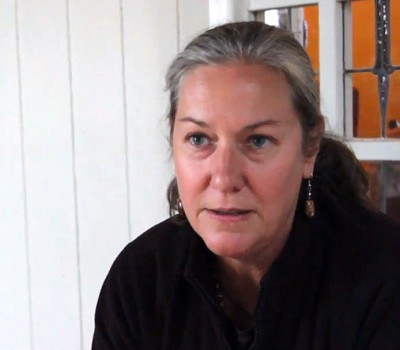
Jane Harper has, to her credit, plumped for the latter. Here’s her story.

Tipton County Indiana Commissioner voted for “wind farms”, now lives with regrets
Jane Harper
Huntington County Concerned Citizens
19 March 2015

Dear Howard County Commissioners and Council Members,

I am writing to you all as a former commissioner colleague who aided in the negotiations and agreements with E.ON Climate Renewables with Tipton County in 2011.

From the onset, I was open to windfarm development in a small section of Tipton County because the commissioners had received no opposition and I felt that the landowners wanted it.

My own family was offered an opportunity to lease land to E.ON and we declined because my husband did not care to farm around the towers, and I just didn’t want to look at them. I set my own personal views aside and made decisions based on what I felt the majority of the public wanted. I was outspoken enough, however, to say that I would never support a plan to cover a large portion of the county with wind turbines.

As it turned out, the problem was that when the decisions were being made to build “Wildcat I”, the commissioners were not hearing from the “majority”. People really did not know this was happening, or if they did, they did not perceive it to be as “invasive” as it was. As you know, public notices are small and often overlooked in the newspaper, so not much resistance was present … until the towers went up, and people saw how enormous and intrusive they were. The red blinking lights even disturb my own summer evenings and my home is 6 miles from the closest tower!!!

You don’t have the time to read  all that I could tell you, so in a nutshell, I just want to say that I wish I had the knowledge then that I have now.

However, what I can do, is to try to pass some of what I know, onto the elected officials in the neighboring county, so that perhaps you can gain some wisdom from what I learned in the school of hard knocks.

In Tipton County … my 83 year old mother is mad at me (since I signed the agreements) because she no longer has colorful birds coming to her feeders … my brother’s view from his family dining room table used to be a vast expanse of crops and natural habitat … now that pristine ‘vista’ is forever marred by giant metal structures … neighbors hate each other … back and forth letters to the editor have been selling papers for over a year now … families are torn apart, and because the physical presence of the towers will be there for 30 years, these relationships will never be repaired. In short … this has become an issue that has divided our community like no other.

It has torn our county apart. The May, 2014 primary election is evidence that the majority of the voters supported candidates openly opposed to wind farm development and an incumbent commissioner was voted out of office due to his unwillingness to listen to the majority on any issue, including wind.

If I had this to do over, I would NEVER enter into an agreement with any wind company now that I know what it has done to my home community.

I am not proud that my name is on those documents.

The wind company has breached many parts of the agreement, but insist that their failures are “minor”. Their field representative is arrogant and cavalier in his attitude toward the people who are suffering with the effects of the noise and flicker.

You can’t lose something you never had … so you are not “losing” the supposed ‘windfall’ of money that the project purportedly brings in.

What you WILL lose however, cannot be measured in dollars.

You will lose the rural landscape as you know it and you will lose the closeness of “community spirit” because people will hate each other over this and the presence of the towers will always be a constant reminder of the rift … thus the wounds will never heal.

Please consider this: What do you think of a company that KNOWS it has fierce opposition from a segment of the Howard County citizenry, but would STILL want to build in your county?

It is akin to forcing themselves onto you when they KNOW they are not wanted by those in the project area who would be affected by their presence and are receiving no compensation for the change in their environment. How much of a “community partner” would they be when they really don’t care about the wishes of the people?

I don’t know anything about which “facts” are true and which “facts” are false with regard to property values and personal health issues.

But what I DO know as fact is this: Any issue that has become so contentious that it has caused large groups of people to assemble and vehemently oppose it … and which has caused so much heartache and angst among the citizenry …  just cannot be good for the whole. I do not feel that Tipton County will ever wholly heal from the deep personal wounds incurred by many from the placement of wind turbines in our county.

I will leave you with this last piece of wisdom from someone who has “been there, done that”.

As an elected official/public servant … if you must go forward with approvals that allow wind farm development … and thus you become the reason a wind farm was built in Howard County … it will be a decision you will regret the rest of your life.

You will join me.

Jane Harper
Tipton County Commissioner 2009-2012.
Illinois Leaks

She's had a few

Wind Turbines, and Their Proponents, Ruin Lives With Impunity!

Eric Jelinski
Eric Jelinski 1:43pm Mar 21
Hydro One takes whatever hydro is generated and distributes the hydro plus adding their own costs. However, a major part of the high costs of Hydro is the wind turbines and the line upgrades for the wind turbines that are added to the cost of hydro.

The costs of hydro is not just in dollars but in human lives ruined becuase people have to abandon their homes due to the noise or stray voltage that impacts them and cattle on the farms. The government is ignoring the impacts even though there are many testimonials by affected people including testimonials from medical doctors and noise experts.

One of our friends who was forced to move out of her house due to wind turbine noise has composed this e-mail to the MPP’s. It is intended to share this and everybody to please also forward this to their provincial MP. Maybe the Wynne liberals can be shamed into a moratorium on wind turbines.
http://ogra.sclivelearningcenter.com/index.aspx?PID=11355&SID=206932

Date: Thu, Mar 19, 2015 at 12:36 PM
Subject: Wind turbines, Ontario and Health Canada

To: lalbanese.mpp@liberal.ola.org, ganderson.mpp.co@liberal.ola.org,tarmstrong-qp@ndp.on.ca, ted.arnott@pc.ola.org, bob.baileyco@pc.ola.org,ybaker.mpp.co@liberal.ola.org, Bas Balkissoon <bbalkissoon.mpp.co@liberal.ola.org>, cballard.mpp.co@liberal.ola.org, toby.barrettco@pc.ola.org,lberardinetti.mpp.co@liberal.ola.org, gbisson@ndp.on.ca,jbradley.mpp.co@liberal.ola.org, scmpp@ndp.on.ca, MPPChan <mchan.mpp.co@liberal.ola.org>, Minister Bob Chiarelli <bchiarelli.mpp.co@liberal.ola.org>, steve.clark@pc.ola.org, Mike Colle <mcolle.mpp@liberal.ola.org>, mcoteau.mpp@liberal.ola.org,gcrack.mpp@liberal.ola.org, ddamerla.mpp@liberal.ola.org,bdelaney.mpp@liberal.ola.org, sdelduca.mpp.co@liberal.ola.org, Vic Dhillon <vdhillon.mpp.co@liberal.ola.org>, jdickson.mpp@liberal.ola.org, dinovoc-qp@ndp.on.ca, hdong.mpp.co@liberal.ola.org, BradDuguid <bduguid.mpp.co@liberal.ola.org>, garfield.dunlop@pc.ola.org,christine.elliott@pc.ola.org, vic.fedeli@pc.ola.org, cfife-qp@ndp.on.ca,kflynn.mpp@liberal.ola.org, cforster-qp@ndp.on.ca, John Fraser Ottawa South <Jfraser.mpp.co@liberal.ola.org>, JFrench-QP@ndp.on.ca, wgates-qp@ndp.on.ca, fgelinas-qp@ndp.on.ca, mgravelle.mpp.co@liberal.ola.org,LGretzky-CO@ndp.on.ca, ernie.hardeman@pc.ola.org,michael.harrisqp@pc.ola.org, PHatfield-QP@ndp.on.ca,randy.hillierco@pc.ola.org, ahoggarth.mpp.co@liberal.ola.org, ahorwath-qp@ndp.on.ca, ehoskins.mpp@liberal.ola.org, tim.hudakco@pc.ola.org, “Mitzie Hunter, MPP” <mhunter.mpp.co@liberal.ola.org>,hjaczek.mpp.co@liberal.ola.org, “Jones-co, Sylvia” <sylvia.jonesco@pc.ola.org>, skiwala.mpp.co@liberal.ola.org,mkwinter.mpp@liberal.ola.org, Marie-France Lalonde <mflalonde.mpp.co@liberal.ola.org>, jleal.mpp.co@liberal.ola.org,dlevac.mpp.co@liberal.ola.org, TracyMacCharles <tmaccharles.mpp.co@liberal.ola.org>, jack.maclaren@pc.ola.org, Lisa MacLeod <lisa.macleod@pc.ola.org>,hmalhi.mpp.co@liberal.ola.org, amangat.mpp.co@liberal.ola.org, mmantha-qp@ndp.on.ca, Cristina Martins <cmartins.mpp.co@liberal.ola.org>,gila.martow@pc.ola.org, dmatthews.mpp@liberal.ola.org, BillMauroTBayAtik <bmauro.mpp.co@liberal.ola.org>, jim.mcdonellco@pc.ola.org, Kathryn McGarry <kmcgarry.mpp.co@liberal.ola.org>, emcmahon.mpp.co@liberal.ola.org, tmcmeekin.mpp.co@liberal.ola.org, “Monte McNaughton, MPP” <monte.mcnaughton@pc.ola.org>, mmeilleur.mpp@liberal.ola.org,Pmilczyn.mpp.co@liberal.ola.org, norm.miller@pc.ola.org, pmiller-co@ndp.on.ca, rmoridi.mpp@liberal.ola.org, julia.munro@pc.ola.org, Minister Glen Murray <gmurray.mpp@liberal.ola.org>, inaidoo-harris.mpp.co@liberal.ola.org, ynaqvi.mpp@liberal.ola.org, tnatyshak-qp@ndp.on.ca,rick.nicholls@pc.ola.org, dorazietti.mpp@liberal.ola.org,randy.pettapiece@pc.ola.org, apotts.mpp.co@liberal.ola.org,sqaadri.mpp.co@liberal.ola.org, lrinaldi.mpp.co@liberal.ola.org, Liz Sandals <lsandals.mpp@liberal.ola.org>, Psattler-co@ndp.on.ca,laurie.scottco@pc.ola.org, msergio.mpp@liberal.ola.org, jsingh-co@ndp.on.ca,todd.smith@pc.ola.org, csousa.mpp@liberal.ola.org, tabunsp-qp@ndp.on.ca,htakhar.mpp@liberal.ola.org, mtaylor-qp@ndp.on.ca, Lisa Thompson <lisa.thompson@pc.ola.org>, jvanthof-qp@ndp.on.ca, Daiene Vernile <dvernile.mpp.co@liberal.ola.org>, “Bill Walker, MPP” <bill.walker@pc.ola.org>, Jim WilsonMPP <jim.wilson@pc.ola.org>,swong.mpp.co@liberal.ola.org, Kathleen Wynne <kwynne.mpp@liberal.ola.org>, john.yakabuski@pc.ola.org, Jeff Yurek <jeff.yurek@pc.ola.org>, dzimmer.mpp@liberal.ola.org, Prime Minister Stephen Harper <pm@pm.gc.ca>, mcu@justice.gc.ca, minister_ministre@hc-sc.gc.ca, David Michaud <david.michaud@hc-sc.gc.ca>, katya.feder@hc-sc.gc.ca, tara.bower@hc-sc.gc.ca, brooks@phac-aspc.gc.ca,Shirley.Bryan@statcan.gc.ca, Allison Denning <allison.denning@hc-sc.gc.ca>,Paul.Dockrill@nrcan-rncan.gc.ca, Christopher.Duddek@statcan.gc.ca,Ken_LCDC_johnson@phac-aspc.gc.ca, stephen.keith@hc-sc.gc.ca,Antoine.Lacroix@nrcan-rncan.gc.ca, eric.lavigne@phac-aspc.gc.ca,Serge.Legault@statcan.gc.ca, tony.leroux@umontreal.ca, leonora.marro@hc-sc.gc.ca, darcy.mcguire@hc-sc.gc.ca, mbrian.murray@sunnybrook.ca,Denis.Poulin@statcan.gc.ca, wricharz@echologics.com, Jason.Tsang@otc-cta.gc.ca, paul.villeneuve@carleton.ca, Stacey.Wan@statcan.gc.ca,shelly.weiss@sickkids.ca, lbertrand@toh.on.ca, r.h.bakker@med.umcg.nl,nbroner@skm.com.au, tachiban@biol.sci.kobe-u.ac.jp,fvdberfvdberg@ggd.amsterdam.nl, tilson.D@parl.gc.ca

Ontario Good Roads Association, Rural Ontario Municipal Association

http://ogra.sclivelearningcenter.com/index.aspx?PID=11355&SID=206932

I request that you to listen to the audio on the Green Energy in Ontario portion of the OGRA/ROMA Conference. February 24, 2015

Listen as Mayor Randy Hope, the first presenter, trivializes the health complaints from residents living in wind projects to a single item; growing obesity.
For your information, when Mayor Hope states he presented at the Standing Committee on Bill 150, so did multiple families who were being impacted at that time, in fact 6 of those families had to leave their homes permanently. That was in 2009 and nothing has changed.

19:30 “…I’ve dealt with the people complaining that the wind turbine has created obesity……
Even the Health Canada study….done, completed, no issue.”

Listen also to the third presenter, Ted Cowan, President of the Ontario Federation of Agriculture, as he shamefully and openly mocks the families in rural Ontario who have been experiencing adverse health impacts, many who are trapped and many who have been displaced.

46:52 “….so every time you hear somebody complain about the health effects of a wind tower, cough at em ”

47:50 “ Health effects…the federal government completed their health study the middle of this past year, they found no health problems from wind, no dead people, no people in hospital, no people sick, no evidence of days off of work from wind related health problems.
They did find that it contributes to some sleep problems and irritation and there is a fix. I believe that where there are homes where there are significant problems they should either be bought or they should be substantially insulated so that the problem goes away or is greatly reduced, but, the evidence on this is in, further debate on it is a waste of time and hiring 30 or 40 incredibly good medical researchers to look at ‘this kind of problem’ is a waste of talent that we cannot afford.”

1:04:09 “ The studies, the evidence is in on health, no health impacts but some? and no general property value harm, but irritation, sleep problems no question.

This disgusting and offensive display is a direct result of the federal and provincial government’s alliance with the wind industry to systematically ignore the adverse health impacts being experienced in industrial wind turbine developments.
The damage that the Health Canada preliminary release alone has done to the citizens of this province is a disgrace.

There has been no opportunity for victims to talk with authorities or speak at these types of meetings and conferences to give evidence of and question some of these statements that audiences are receiving.
It is incredible that in Canada, in 2015, the victims continue to be blamed, ridiculed and their complaints rejected.

My comment:
To the comment on sleep problems and irritation, I don’t believe Mr. Cowan understands the health impacts of sleep disturbance and deprivation, or “irritation” for that matter. The frustration and stress alone at not being able to shut off the noise and vibration when trying to sleep is tremendous.
Trying to get by on 4 out of 7 night’s sleep is not OK. In fact, it is dangerous.
Furthermore, loud audible noise and low frequency noise and vibration penetrates walls and glass, regardless of insulation level. Mr. Cowan’s knowledge of the cause of and remedy for the impacts is minimal.

Attached is some testimony from impacted residents that needs to be reviewed and not deleted.
It represents the tip of the iceberg. Every single wind project started has resulted in more people sick.

The following 2 links have videos of impacted residents who want you to listen to them.
Please be respectful and give them your time as they gave theirs under some very trying situations and at the expense of being mocked by the likes of those above, to educate us.
Some of them are from the Chatham area.
http://windvictimsontario.com/videos—recent-videos.html
http://windvictimsontario.com/videos—page-2.html

Wind Pushers Try to Discourage Studies, Claiming they’ll Blame it on “Nocebo Effect”, Regardless of Findings!

A $2.5m investment in wind farms and health won’t solve anything

In even the best of studies, it will be impossible to separate out ‘nocebo’ effects from direct effects. reynermedia/Flickr, CC BY

The out-going head of the National Health and Medical Research Council (NHMRC) Warwick Anderson confirmed in Senate Estimates recently that calls for research proposals for up to a total of A$2.5 million over five years will soon be made to investigate questions about wind farms and health.

Under questioning from Greens Senator Richard Di Natale, Anderson told the committee A$2.5m was a paltry fraction of the agency’s total research budget, which in 2014 stood at A$802.42m. So A$2.5m is the equivalent of less than 0.06% of a projected five-year research budget on today’s allocations.

But researchers’ success obtaining grants has never been lower in Australia, with many strong grants falling below the cut-off score, which is ultimately budget determined. In 2014, researchers submitted 3,700 applications for project grants, with only one in 6.7 of these (14.9%) being funded. In the health services research field, 91.8% if applications were not funded.

Anderson has been emphatic that research standards will not be compromised in all this, and that only high-quality applications from suitably experienced researchers will be funded. It is not clear yet whether only one or more applications will be funded, if indeed any are.

The main debate in this area is between those who are adamant that wind turbines emit sounds and vibrations that upset and harm some of those exposed, and those who argue that the available evidence points strongly to health problems and complaints being psychogenic.

Nocebo phenomena – the idea that fear about wind turbines will cause some people to get symptoms – seem to be at the heart of both complaints and claims of illness.

I have documented an Old Testament-length list of 244 different symptoms and diseases alleged by wind farm opponents to be caused by the pestilence of wind farm exposure. The most bizarre of these include herpes, haemorrhoids, lung skin cancer and disoriented echidnas.

Study limitations

In even the best of studies, it will be impossible to separate out nocebo effects from putative direct effects. Here’s why. Ideally, researchers could select a location where a wind farm was being planned and conduct symptom- and illness-prevalence studies well before the wind farm was constructed and operational.

They would then repeat those measures at different times after the turbines began, analysing the influence of variables such as noise levels, economic benefit, pre-existing levels of antipathy to wind farms and “negatively oriented personality”. They could also request the production of medical records to see whether reported health problems long preceded the commencement of the turbines.

But this sort of research design will always be corrupted by wind farm opponents who, at the first hint of any wind farm development, move into a local area with the express purpose of alarming and frightening as many local residents as possible about what’s down the track.

No wind farm developer could ever commence construction without a long and open period of community consultation. These trigger the alarmists to turn on their best efforts to worry residents sick. This nocebo-priming case study I published recently describes in detail how they operate.

Residents fully sworn against wind farms are highly biased and can game such studies where self-reports of symptoms are central.

Lessons from Canada

Canada has already conducted the sort of study that might be proposed in Australia. In response to agitation from anti-wind groups, starting in 2012, it undertook the largest study of wind turbines and health ever attempted.

The study involved 1,235 houses in Ontario and Prince Edward Island, where randomly selected residents of all houses within 600m of 399 turbines on 18 wind farms were compared with those living 600m to 10km away.

In October 2014, Health Canada published the top-line results from the $CAN2.2 million study of the very sort that the NHMRC might well be asked to replicate.

It found the following were not associated with wind turbine noise:

  • self-reported sleep (such as general disturbance, use of sleep medication, diagnosed sleep disorders)
  • self-reported illnesses (such as dizziness, tinnitus, prevalence of frequent migraines and headaches) and chronic health conditions (such as heart disease, high blood pressure and diabetes)
  • self-reported perceived stress and quality of life.

It did find that “annoyance” was related to wind turbine noise, with 16.5% of houses in Ontario and 6.3% on Prince Edward Island being annoyed.

Ontario is the epicentre of Canadian anti-wind farm activism, while Price Edward Island has seen little of this. So this major difference in the prevalence of annoyance lends support to the idea that wind farm annoyance is a “communicated disease” spread by anti-wind farm agitators.

The Canadian study also found that:

annoyance was significantly lower among the 110 participants who received personal benefit, which could include rent, payments or other indirect benefits of having wind turbines in the area e.g., community improvements. However, there were other factors that were found to be more strongly associated with annoyance, such as the visual appearance, concern for physical safety due to the presence of wind turbines and reporting to be sensitive to noise in general.

These findings are consistent with conclusions reached in what is now 24 reviews of the evidence.

Predictably, anti-wind farm groups in Canada rejected the Canadian study’s conclusions. It seems obvious that the only reports that such groups will ever accept are those which confirm their agenda. This is not a debate which will ever be resolved by research.

Political interests

Disturbingly, the NHMRC has allowed itself to be influenced by what reported internal email described as “the macro policy environment” – bureaucratic code for sensitivity to political interests.

Instead, Warwick Anderson and the Council should have stated clearly and emphatically to the parliament and the public that any researcher wanting to investigate wind farms and health was at perfect liberty to submit such a proposal to compete with all those being submitted by researchers considering any other topic. Such proposals would stand or fall on their competitiveness as determined by peer review.

There is no dedicated research funding being set aside by the NHMRC to further investigate the known massive risks to human health from fossil fuel extraction and burning. And it would be unimaginable for the NHMRC to quarantine money for any other non-disease like wifi sensitivity, smart electricity meter dangers or “fan death”. But this is what it has done here.

The money allocated is not much. But the real damage will be that in having this issue thus elevated to privileged research status, its political apostles will be greatly encouraged.


Irrefutable Proof, That Wind Turbine Noise Can Affect Our Health!

http://www.theaustralian.com.au/news/health-science/unseen-unheard-wind-farms-a-blow-to-health/story-e6frg8y6-1227219122344


Unseen, unheard wind farms

a blow to health

Graham Lloyd

Environment Editor

Sydney

GROUNDBREAKING Australian research has established a “cause and effect” existed between wind farms and health impacts on some nearby residents, a peer review by one of the world’s leading acoustic experts says.

The review of a study by Steven Cooper of residents living near Pacific Hydro’s Cape Bridgewater Wind Farm was undertaken by Paul Schomer, standards director of the Acoustical Society of America.

Dr Schomer’s research has been used to define the dose response and acoustic criteria for road traffic, rail traffic, aircraft traffic and shooting.

As a result of the Cooper research, Dr Schomer said wind farm developers should now say “We may affect some people”.

He said regulators charged with protecting health and welfare “will not be able to say they know of no adverse effects”.

Pacific Hydro has said previously it did accept the Cooper research had established a cause-and-effect link, a claim that was not made in the report.

The National Health and Medical Research Council this week said there was no consistent evidence wind farms caused ­adverse health effects and further research was needed.

The NHMRC did not review the Cooper research.

Dr Schomer said the Cooper work had shown clearly there was “at least one non-visual, non-­audible pathway for wind turbine emissions to reach, enter and ­affect some people”.

The six people from three households involved in the study had recorded the timing and level of effects they were ­experiencing.

Their notes had shown that impacts corresponded with wind turbine power changes. The subjects did not know what was happening with the wind turbines when they recorded their notes.

“This study finds these six people sense the operation of the turbine(s) via other pathways than hearing or seeing, and that the adverse reactions to the operations of the wind turbine(s) correlates directly with the power output of the wind turbine(s),” he said.

“The important point here is that something is coming from the wind turbines to affect these people and that something increases or decreases as the power output of the turbine increases or decreases.

“It really does not matter what the pathway is, whether it is infra-sound or some new form of rays or electromagnetic field coming off the turbine blade. If the turbines are the cause, the wind farm is responsible and needs to fix it.”

Dr Schomer said criticism that only a small number of people were involved in the study was not relevant. “One person affected is a lot more than none; the existence of one cause-and-effect pathway is a lot more than none.”

The peer review was co-signed by George Hessler, the president and principal consultant for US acoustics specialist Hessler Associates.


More Proof of the Harm Wind Turbines are Causing! Someone needs to be held accountable!!

Australian Research Yields Insights on Wind Turbine “Signature”

FEBRUARY 8, 2015

Acoustician Steven Cooper was commissioned by the Australian utility, Pacific Hydro, to investigate the complaints of families near the wind plant at Cape Bridgewater, Australia. The Cape Bridgewater Wind Farm Acoustic Study is a 235-page report, packed with data, including six appendices which amplify and detail the findings of the study.

According to the Waubra Foundation’s analysis (“Acoustic Engineering Investigation at Cape Bridgewater Wind Facility” 2/1/15),

The purpose of the investigation was simply to find out what was causing the symptoms and sensations, resulting in sleep disturbance and health damage, reported to Pacific Hydro between 2009 and 2014 by the residents of three homes sited between 600 – 1600 metres [from just over 1/3 mile to 1 mile] from wind turbines sited at the Cape Bridgewater Wind Project in Victoria, Australia. [see maps below]

In The Australian “Turbines may well blow an ill wind over locals, ‘first’ study shows” (1/21/15), Graham Lloyd reported :

Funded by wind farm operator Pacific Hydro, the study was conducted at Cape Bridgewater in southwest Victoria where residents have long complained about headaches, chest pains and sleep loss but have been told it was all in their minds.

Waubra’s image of Cape Bridgewater Wind plant ( part of Pacific Hydro’s Portland Wind Energy Project)

There were several “firsts” to this study.

  • Cooper took a variety of measurements in and around the three homes during both times when the turbines were operating and when they were shut down–with the cooperation of Pacific Hydro.
  • The measurements went beyond standard dB(A), to capture harmonics peculiar to wind turbines as the blades pass by the stationary mast. This yielded new readings, branded by Cooper “wind turbine signature” or WTS.* Infrasound below the audible range was captured, as well.
  • The residents kept continuous diaries, recording their experience of noise (which can be heard), vibration (which can be felt), and sensations (which were considered to be reactions to infrasound). The diary entries were later correlated with recorded measurements.

Participants in the study, six individuals from three households, described their appreciation of the study findings in the Waubra Foundation’s pages devoted to the Cooper study.

Mr Cooper’s investigations also found correlation between the “high severity” sensations we experience as noted in our diaries and his measurements of wind turbine infrasound inside our homes. “High severity” describes the times when the symptoms or sensations are so severe that we feel we have to immediately leave our homes. These high severity impacts happen regularly for those of us who live, stay or visit our homes at Cape Bridgewater. Some of our health practitioners have advised us to permanently leave our homes in order to escape the symptoms and regain our health. Unfortunately some of us have developed permanent health problems known to result from continuing exposure to infrasound and low frequency noise so that even permanently moving away will not restore our health to its pre-wind turbine level.

Stephen Ambrose, an acoustician with a distinguished career devoted to protecting individuals from excess noise, congratulated Cooper on his effort. In his letter, Ambrose noted the advances made by the study, “Your correlation of human response journal entries with scientific waveform analysis clearly shows hearing is not limited to audible sounds. Research continues to reveal that the ear has multiple functions and capabilities.”

Another U. S. acoustician, Robert Rand wrote, “The correlation of sensation level to WTS tone level in the infrasonic and audible bands brings wind turbine acoustics right to the door of medical science. Medical tests in the homes, long overdue, can now be correlated directly to WTS. May the medical testing in homes begin without further delay.”

Canadian researcher Carmen Krogh, who has monitored findings from self-reporting projects as well as the recent Canadian government study, said

Through the study design, your exhaustive infrasound measurements, the detailed diaries kept by the families, and Pacific Hydro’s cooperation, this study has advanced the understanding of the role of infrasound and human responses associated withindustrial wind turbines. Such collaborative efforts have set a new standard for conducting future research.

Australian Bob Thorne, who had previously studied the Cape Bridgewater experience of residents, pointed out  several unique contributions of Cooper’s study and said:

The obvious support from both PacificHydro and the residents is the stand-out feature of the study and it is clear from the text that the outcomes were not envisaged by yourself or the study participants at the commencement of the study. The approach taken is highly professional and supportive to both your client (PacificHydro) and sympathetic to the residents who provided you with their assistance.

The Cape Bridgewater Wind Project consists of 29 2-MW wind turbines located in Victoria Australia. The turbines are MM82 manufactured by Senvion (formerly licensed as REpower). A German company,Senvion is the fifth largest maker of wind turbines.

*The acronym WTS associated with this study should not be confused with the widely-used WindTurbine Syndrome, coined by Dr. Nina Pierpont, the Johns Hopkins-trained doctor, to signify the cluster of symptoms she identified in investigating the health complaints of individuals who lived near wind turbines.

Cooper-study-attended-setup-house-87

Cape Bridgewater, Victoria, Australia

Click to see Appendix 1, map is on p.2

Ads by SpeedCheckAd Options

No comments yet

Leave a Reply

Wind pushers Ignore the Damage They’re Causing!

Low-Frequency Wind Turbine Noise: a Recipe for Unhappy Mothers and Unhealthy Babies

sleeping

Noise is always and everywhere a public health issue.

Last year, in a piece looking at the importance of silence to healthy, happy communities, The Economist, quoting Poppy Elliot from the Noise Abatement Society, wrote that:

[A] quiet environment is necessary to enable people to fulfil their intellectual and creative potential. She points to a report on the health effects of noise published by the World Health Organisation in 2011, which found that in western Europe, excessive noise was second only to air pollution as a cause of environmental ill-health.

STT agrees. But common sense rarely needs an advocate; if you’re still not convinced, see our post here.

As the World Health Organisation puts it:

There is plenty of evidence that sleep is a biological necessity, anddisturbed sleep is associated with a number of health problems. Studies of sleep disturbance in children and in shift workers clearly show the adverse effects.

That little chestnut comes from the WHO’s Night-time Noise Guidelines for Europe – for more of the same, see the Executive Summary at XI to XII.

Sleep deprivation is, by far and away, the most common adverse health effect caused by turbine generated low-frequency noise and infrasound (see our post here).

That unassailable fact has been well-known to the wind industry since the 1980s –  thanks to the work done by Neil Kelley and Co (see our postshere and here and here): conclusive scientific research establishing low-frequency turbine noise as the cause of sleep disturbance and other adverse health effects, which the wind industry buried, the NHMRC ignored, but which STT found without too much trouble (see our postshere and here).

And so much has recently been confirmed (again) in Steven Cooper’s groundbreaking study at Cape Bridgewater (see our posts here and hereand here).

While the occasional poor night’s sleep is used to excuse substandard work performance, grumpy attitudes at the breakfast table and the burning need for a third cup of coffee, the absence of a decent night’s kip takes on special significance for the parents of newborns, especially mums.

The focal point for these parents is sleep; or, rather, the somewhat cruel lack of it.

Discussions rarely stray far from how well bubs slept?; how well dad might have slept? (the importance of which, is often downplayed or dismissed by mum); or whether mum managed to get any sleep at all? (although, few are so bold to downplay or dismiss the importance of thatcomplaint!).

Anyone who has been part of the process knows the joys of being woken, night after night, at three in the morning with a poke (and failing that, a kick) in the ribs from the other half, and a grumbled “it’s your turn”.

While, in the morning, dad, bleary eyed, might trundle off to work a little worse for wear, it’s mum that usually fronts up to the full responsibility of looking after the wriggling bundle of joy that kept everybody up for most of the night.

Faced with a wildly erratic and surging sea of postnatal hormones, little or no sleep and the anxiety that only an inconsolable infant can bring, it’s little wonder that young mums can end up feeling a little down in the dumps.

Mother In Nursery Suffering From Post Natal Depression

For first time mums, those pressures can quickly mount; and only get worse if there’s any outside agent interfering with her ability to snatch a little sleep, from time to time.

But, for all of the nocturnal dramas, the upside for mum is looking down on the face of her well-fed young precious, as he or she drifts off to the land of nod.

sleeping baby

For mums, breastfeeding is not only a time to provide their pride and joy with life-giving nourishment, it’s a moment when the maternal bond is built; and becomes eternal.

Getting as much sleep as baby’s demands permit, naturally leads to happier mums and healthy, well-fed babies.

So, you’d think that nursing mothers would know and appreciate just how important sleep is to both mothers and infants?

But not, apparently, if they’ve been recruited as spruikers for the wind industry.

In Australia, the needs and rights of nursing mothers are taken seriously (as well they should be). And, so much so, an advocacy group called the Australian Breastfeeding Association has been going into bat for breastfeeding mums for over 50 years.

Now, one of the ABA’s numbers, Angela McFeeters, from Portland has decided to tip a bucket on both common sense and maternal instinct, with this little effort, attempting to explain away and excuse the misery dished up to residents by Pacific Hydro’s Cape Bridgewater wind farm disaster.

spec

McFeeters is a paid up member and spokesperson for Andrew Bray’s Victorian/Australian Wind Alliance – a merry band of eco-fascists happy to spruik on behalf of their wind industry clients, and to profit from the misery of others.

McFeeters has been caught out as being little more than a wind industry Patsy, by none other than Melissa Ware – one of Pac Hydro’s long-suffering victims at Cape Bridgewater; and one of the subjects of Steven Cooper’s study.

Melissa-Ware

Here’s an open letter from Melissa that puts McFeeters well and truly back in her box, as only a mother who has been there and done that could do.

Australian Breastfeeding Association head office

1818-1822 Malvern Road
MALVERN EAST VIC 3145

Email: info@breastfeeding.asn.au

OPEN LETTER

The article above has recently been published in the Portland Observer by Bill Meldrum “Wind Alliance rejects health claims”; I object to the incorrect statements made within it by Ms Angela McFeeters, an ABA representative at Portland and spokesperson for the Victorian/Australian Wind Alliance. I draw it to your attention for discussion, review and management of.

As one of the six resident participants in the Steven Cooper Acoustic Testing Program at Cape Bridgewater of Nov 2014, I have firsthand knowledge of impacts and conditions living in proximity to the industrial wind energy plant of 29, 2MW turbines at Cape Bridgewater causing health impacts and disturbance to us and to many others exposed to infrasound and other disturbing industrial ‘noise’ emissions around Australia.

I suggest the ABA has a duty to become more fully informed of these public health impacts to assist new mothers and babies; to become informed of the issues by reading the links below and further extensive information compiled and available at; wind.watch.org, the Waubra foundation or Stop These Things websites.

Ms McFeeters would not have the medical expertise to publically declare any conclusions on the status of my health, only my GP or Specialist have the comprehensive understanding of and authority to make any statements regarding health or impacts to it.   Ms McFeeters has over the past 12 months anonymously attended community consultation meetings related to the acoustic study being conducted by the owners of the wind farm, Pacific Hydro and has heard the impacting conditions we have reported to the company and the Government Authorities over the past six years.

This is not the first biased public statement or comment Ms McFeeters has aired whilst representing the Wind Alliance and the wind industry.

Her assumptions and implied accusations in this article are based without visiting my house, nor noting medical conditions first hand, as my GP’s, Specialists or the Acoustic Engineers that have conducted studies inside my home.   The study undertaken by Mr Cooper is groundbreaking and assists with the resolve of problems of noise, vibration and sensation through greater understanding and knowledge gleaned by cooperatively working together.   Cooperation was undertaken for the first time ever by residents, a wind farm and an independent acoustician working with the goal of getting to the bottom of the problems. I doubt Ms McFeeters has read or understands the importance of the research or the publically released conclusions.

The most damaging impact of wind farms to public health, including my own is the serious issue of sleep deprivation. As a representative of the ABA, dismissal of the very real health impact of sleep deprivation caused by wind farm disturbance is unfeeling and callous in its disregard. Dismissing disturbances documented within the Acoustic study could damage mothers and infants living near and impacted by wind farms, not only in the Portland region but around the nation.

Sleep disturbance and post natal depression go hand in hand; her biased public opinions and her obligation to abide by the code of ethics of the ABA do not.   I ask which qualifications, expertise and knowledge allows her to refute health impacts that have been well documented and confirmed as far back as 1985 in the US Kelley report and do you endorse the opinions of this Alliance?

Disturbed fertility and menstrual cycles in women living near wind turbines in Denmark, Canada and Australia are being reported from both residents and by health professionals.

Health professionals, medical practitioners, acoustic experts and researchers who have firsthand knowledge of the severity of reported health problems call for urgent multidisciplinary research in this area and include:

Professor Bob McMurtry, Dr Roy Jeffery, Associate Professor Jeff Aramini, Carmen Krogh and Mr William Palmer from Canada; Dr Alan Watts, Dr Wayne Spring, Dr David Iser, Dr Gary Hopkins, Dr Andja Mitric Andjic, Dr Sarah Laurie, Mr Les Huson, Mr Steven Cooper, Emeritus Professor Colin Hansen and Dr Bob Thorne from Australia; and Associate Professor Rick James, Mr Rob Rand, Mr Stephen Ambrose, Emeritus Professor Jerry Punch, Dr Jay Tibbetts, Dr Sandy Reider, Dr Nina Pierpont, Dr David Lawrence, Dr Paul Schomer, Mr George Hessler, and Dr Bruce Walker from the USA with others from Europe.  Wind turbines are increasing in size and are being placed closer to larger human populations and justifiably, there is growing concern all over the world.

For any breastfeeding counsellor or representative within the ABA to be ignoring the serious issue of sleep deprivation is a very real concern. Evidence about sleep deprivation and its role in post natal depression is well accepted. Is this evidence being ignored by the ABA counsellors in the Portland region? Does the ABA disagree with the concerns of the Health and Acoustic Professionals and Researchers listed above?

As a concerned mother and advocate of breastfeeding I ask you to investigate. Impacts of infrasound on breastfeeding cannot be dismissed out of hand by someone without the authority or proper and independent knowledge to do so.

http://waubrafoundation.org.au/resources/acoustic-engineering-investigation-at-cape-bridgewater-wind-facility/

http://www.pacifichydro.com.au/files/2015/01/Cape-Bridgewater-Acoustic-Report.pdf

http://waubrafoundation.org.au/2015/steven-coopers-cape-bridgewater-acoustic-research-commissioned-by-pacific-hydro-released/

https://www.wind-watch.org/documents/letter-to-the-ama-re-its-recent-paper-concerning-wind-turbines/

Read the above, acknowledge the depths of this issue and release a public apology. Proper and independent health studies are going to be conducted in the homes of impacted people near these energy plants and until this further study is undertaken and released by the Australian Government then no-one should conclude there are no impacts on residents’ health and quality of life.

Melissa Ware

Cape Bridgewater

Breastfeeding-Mom

Open Letter Regarding Low Frequency Noise Due to Wind Turbines

Australian Breastfeeding Association head office

1818-1822 Malvern Road
MALVERN EAST VIC 3145

Email: info@breastfeeding.asn.au


OPEN LETTER


The article below has recently been published in the Portland Observer by Bill Meldrum “Wind Alliance rejects health claims”; I object to the incorrect statements made within it by Ms Angela McFeeters, an ABA representative at Portland and spokesperson for the Victorian/Australian Wind Alliance. I draw it to your attention for discussion, review and management of.


As one of the six resident participants in the Steven Cooper Acoustic Testing Program at Cape Bridgewater of Nov 2014, I have firsthand knowledge of impacts and conditions living in proximity to the industrial wind energy plant of 29, 2MW turbines at Cape Bridgewater causing health impacts and disturbance to us and to many others exposed to infrasound and other disturbing industrial ‘noise’ emissions around Australia.


I suggest the ABA has a duty to become more fully informed of these public health impacts to assist new mothers and babies; to become informed of the issues by reading the links below and further extensive information compiled and available at; wind.watch.org, the Waubra foundation or Stop These Things websites.


Ms McFeeters would not have the medical expertise to publically declare any conclusions on the status of my health, only my GP or Specialist have the comprehensive understanding of and authority to make any statements regarding health or impacts to it.   Ms McFeeters has over the past 12 months anonymously attended community consultation meetings related to the acoustic study being conducted by the owners of the wind farm, Pacific Hydro and has heard the impacting conditions we have reported to the company and the Government Authorities over the past six years.


This is not the first biased public statement or comment Ms McFeeters has aired whilst representing the Wind Alliance and the wind industry.


Her assumptions and implied accusations in this article are based without visiting my house, nor noting medical conditions first hand, as my GP’s, Specialists or the Acoustic Engineers that have conducted studies inside my home.   The study undertaken by Mr Cooper is groundbreaking and assists with the resolve of problems of noise, vibration and sensation through greater understanding and knowledge gleaned by cooperatively working together.   Cooperation was undertaken for the first time ever by residents, a wind farm and an independent acoustician working with the goal of getting to the bottom of the problems.  I doubt Ms McFeeters has read or understands the importance of the research or the publically released conclusions.


The most damaging impact of wind farms to public health, including my own is the serious issue of sleep deprivation.  As a representative of the ABA, dismissal of the very real health impact of sleep deprivation caused by wind farm disturbance is unfeeling and callous in its disregard.  Dismissing disturbances documented within the Acoustic study could damage mothers and infants living near and impacted by wind farms, not only in the Portland region but around the nation.


Sleep disturbance and post natal depression go hand in hand; her biased public opinions and her obligation to abide by the code of ethics of the ABA do not.    I ask which qualifications, expertise and knowledge allows her to refute health impacts that have been well documented and confirmed as far back as 1985 in the US Kelley report and do you endorse the opinions of this Alliance?

Disturbed fertility and menstrual cycles in women living near wind turbines in Denmark, Canada and Australia are being reported from both residents and by health professionals.

Health professionals, medical practitioners, acoustic experts and researchers who have firsthand knowledge of the severity of reported health problems call for urgent multidisciplinary research in this area and include:

Professor Bob McMurtry, Dr Roy Jeffery, Associate Professor Jeff Aramini, Carmen Krogh and Mr William Palmer from Canada; Dr Alan Watts, Dr Wayne Spring, Dr David Iser, Dr Gary Hopkins, Dr Andja Mitric Andjic, Dr Sarah Laurie, Mr Les Huson, Mr Steven Cooper, Emeritus Professor Colin Hansen and Dr Bob Thorne from Australia; and Associate Professor Rick James, Mr Rob Rand, Mr Stephen Ambrose, Emeritus Professor Jerry Punch, Dr Jay Tibbetts, Dr Sandy Reider, Dr Nina Pierpont, Dr David Lawrence, Dr Paul Schomer, Mr George Hessler, and Dr Bruce Walker from the USA with others from Europe.   Wind turbines are increasing in size and are being placed closer to larger human populations and justifiably, there is growing concern all over the world.


For any breastfeeding counsellor or representative within the ABA to be ignoring the serious issue of sleep deprivation is a very real concern.  Evidence about sleep deprivation and its role in post natal depression is well accepted.  Is this evidence being ignored by the ABA counsellors in the Portland region?  Does the ABA disagree with the concerns of the Health and Acoustic Professionals and Researchers listed above?


As a concerned mother and advocate of breastfeeding I ask you to investigate.  Impacts of infrasound on breastfeeding cannot be dismissed out of hand by someone without the authority or proper and independent knowledge to do so.


http://waubrafoundation.org.au/resources/acoustic-engineering-investigation-at-cape-bridgewater-wind-facility/


http://www.pacifichydro.com.au/files/2015/01/Cape-Bridgewater-Acoustic-Report.pdf


http://waubrafoundation.org.au/2015/steven-coopers-cape-bridgewater-acoustic-research-commissioned-by-pacific-hydro-released/


https://www.wind-watch.org/documents/letter-to-the-ama-re-its-recent-paper-concerning-wind-turbines/


Read the above, acknowledge the depths of this issue and release a public apology.  Proper and independent health studies are going to be conducted in the homes of impacted people near these energy plants and until this further study is undertaken and released by the Australian Government then no-one should conclude there are no impacts on residents’ health and quality of life.

Melissa Ware

A Simplifies View of the Recent “Cooper Acoustic Investigation”…. by the Waubra Foundation.

Acoustic Engineering Investigation into Airborne and Ground-Borne Pressure Pulses from Pacific Hydro’s Wind Turbines at Cape Bridgewater

A Simplified Explanation of the Findings, Previous Research, and the Consequences

Cape Bridgewater wind turbines

Waubra Foundation – 1st February, 2015

1. Background

  • Turbines create “waste energy” in the form of airborne pressure waves (sound) and ground-borne pressure waves (vibration).
  • Noise is that part of the sound frequency spectrum which is audible, but “noise” is also defined by psychoacousticians as “unwanted sound”.
  • The strength (sometimes expressed as a loudness in the case of noise) of the sound is measured in decibels (“dB”).
  • The wavelength of individual sound waves is a measure of the distance between the peaks of the pressure waves. The speed of sound divided by the wavelength gives the frequency of the sound and is expressed in hertz (Hz).
  • Where the frequency of the sound waves is below 20 Hz, the distance between the waves is relatively long, and the general term for this portion of the frequency spectrum is known as infrasound. Infrasound is only audible at very high levels (dB). However it can be damaging to the human body at levels well below audibility.
  • Impulsive infrasound from a variety of industrial sources has long been known to have the potential to be harmful to humans, especially with chronic exposure. For example, human and animal studies have shown infrasound directly causes both physiological stress,i and collagen thickening in a variety of tissues including cardiac valves, arteries, and pericardium which themselves lead to a variety of cardiovascular diseases.ii
  • Infrasound persists for much greater distances than audible sound and, unlike audible sound, penetrates well insulated building structures (including double glazing) with ease; and often increases the impact by resonating within the house, like a drum.iii iv This occurs, regardless of the source of sound & vibration energy. Penetration of buildings and amplification via resonance can also occur from sound and vibration from natural sources such as earthquakes and thunder.
  • Standards for wind turbine noise pollution in Australia are set in audible decibels (“dBA”) outside houses.v Use of dBA excludes accurate measurement of frequencies below 200 Hz, including both infrasound (0 – 20 Hz) and low frequency noise (20 – 200 Hz). These Standards do not require infrasound (either within or outside homes) to be predicted in planning submissions nor to be measured in the required compliance testing to the planning permit noise conditions. Most jurisdictions do not require wind turbine generated low frequency noise to be predicted or measured either (unlike other sources of industrial noise). In fact most noise measuring instruments and microphones are unable to measure accurately in the infrasound range, especially below 8 Hz, and some Standards explicitly specify the use of equipment which cannot measure infrasound.
  • Wind turbines produce infrasound along with audible noise. The morepowerful the wind turbine the greater the proportion of infrasound and low frequency noise emitted,vi which then increases significantly if the turbines are sited too close together, now common practice in Australia.vii Most newer wind turbines are now 3 MW or 3.5 MW, compared to 2MW at Cape Bridgewater.
  • By the use of different sound meters and microphones, and in narrow (frequency) bands it is quite possible to identify and measure infrasound specifically from wind turbines, in the field. This unique “wind turbine signature” has now been demonstrated by the acoustic consultants involved in the Health Canada Studyviii and by Professor Colin Hansen’s team at Waterloo,ix in addition to Mr Cooper’s measurements at a number of locations in Australia prior to, and including, the Cape Bridgewater Acoustic Investigation.
  • Increasing numbers of residents living within 10km of wind turbines have suffered, and are still suffering, severe adverse health impacts since the wind turbines started operating.x xi Many have left their homes repeatedly, and eventually permanently, to live in greatly diminished financial circumstances, as their homes are no longer habitable or saleable. Some residents become too unwell to work. Wind turbines are not the only source of impulsive infrasound and low frequency noise causing severe health damage. The same pattern of identical serious adverse health effects, sleep deprivation and home abandonments, sometimes out to similar distances are being reported by neighbours to other known sources of infrasound and low frequency noise, at open cut coal mining (eg Hunter Valley in New South Wales), underground mines with large extractor fans (eg Lithgow, in New South Wales), gas turbinepower stations (eg Uranquinty, in New South Wales, Port Campbell in Victoria) and numerous other sources (eg Tara gas field in Queensland).xii
  • Wind power projects and other energy generating noise polluting industrial developments involve very large sums of money in construction, in revenues and in the case of industrial wind turbines – public subsidies. It is not uncommon to find companies with large investments and large cash flows going to great and improper lengths to maintain their cash flows.
  • The wind industry has never been asked to prove that their machines are safe, unlike other products on the market. When queries are raised about impacts on neighbours, the industry and its supporters trigger the “Four Ds” of denial, dissemble, delay and destroy the messenger, despite the wind industry being well aware of the seminal research by Dr Neil Kelley and NASA which established direct causation of symptoms from impulsive infrasound and low frequency noise from wind turbines and other sources in the 1980s, by both field and laboratory research.xiii

2. The Purpose of the Cape Bridgewater Acoustic Investigation

The purpose of the investigation was simply to find out what was causing the symptoms and sensations, resulting in sleep disturbance and health damage, reported to Pacific Hydro between 2009 and 2014 by the residents of three homes sited between 600 – 1600 metres from wind turbines sited at the Cape Bridgewater Wind Project in Victoria, Australia.xiv

3. What Are the Key Findings of the Cooper Acoustic Investigation?

The findings include:

Please read on

Windpushers Do Not Protect the Health of Vulnerable Children, (or anyone else)

West Norfolk mother tells of blindness fears for son over wind farm scheme

Karen Robinson with her son Ronnie Robinson (9) in the garden at Clenchwarton Hall, showing the current view. ANL-150129-112536009

Karen Robinson with her son Ronnie Robinson (9) in the garden at Clenchwarton Hall, showing the current view. ANL-150129-112536009

Ronnie Robinson suffers from primary congenital glaucoma, a severe visual impairment in which his eyes cannot cope with changing light conditions.

Developers of the Ongarhill wind farm, which is due to be debated by the West Norfolk Council planning committee next week, say conditions attached to any permission, and technology on the turbines themselves, will prevent shadow flicker from affecting residents.

But Ronnie’s mum Karen says she has been warned by doctors that she will have to leave her home on Hall Road, Clenchwarton if the plan goes ahead, in order to save his sight.

She said any flicker would leave Ronnie at risk of becoming disorientated and banging his head.

The slightest knock could mean he loses all his remaining vision.

Mrs Robinson, who moved to the area from Hertfordshire five years ago, said: “The whole reason we moved here was because it was off the road and it was safe for him to live.

“Why should we suffer just because they want to put turbines there? We moved here for a better life.”

A planning report, published last week, recommended that councillors approve the wind farm proposal, subject to the completion of a legal agreement for an ecological improvement plan within three months.

But opponents are unhappy with what they claim will be the unacceptable impact on localresidents and wildlife.

Mrs Robinson, who will be addressing Monday’s planning meeting, also fears the noise of the turbines would affect Ronnie, as he relies on his more sensitive hearing due to his eye problems.

But Cath Ibbotson, project manager for developers Coriolis Energy, yesterday said they had discussed Mrs Robinson’s concerns with her and were taking them seriously.

She said: “Tried and tested technology exists to switch off turbines at appropriate times and therefore prevent any shadow flicker occurring at the property or in the grounds for those few hours a year when it might otherwise do so.

“The council has proposed that a planning condition would be attached to any planning permission to ensure this.

“In respect of noise, anyone who has visited a wind farm for themselves will know how quiet turbines are in operation. However, national noise limits exist to protect residents.

The council have proposed in this case that the Ongarhill wind farm would have to operate to even more stringent limits, and we have agreed that we would do so. Again, this would be secured through planning conditions.”

Monday’s planning committee meeting will take place at the Lynn town hall, starting at 10am.

Wind Weasels in “Damage Control Mode”, After Wind Farm Study!

Pacific Hydro’s “Monumental Own Goal”: Or How Steven Cooper’s Wind Farm Study Helps Sink the Wind Industry

own goal

In our last post we popped up the study done by Steven Cooper at Pacific Hydro’s Cape Bridgewater wind farm, that’s sent the wind industry and its parasites into complete melt-down.

And its keenest advocates have turned on Pac Hydro, with the kind of hate-filled vengeance (usually reserved for traitors) for letting Cooper off the leash in the first place (see this rant from the Climate Speculator).

One thing that’s really incensed them is the fact that they’ve completely lost control over the (usually pliant and gullible) media – as seen in this sharp little piece from Channel 7’s Today Tonight – available here.

And here’s a couple more press articles, detailing just what’s causing the frantic-fuss among giant fan advocates and profiteers.

Cape Bridgewater wind farm ‘a health hazard’
The Standard
Peter Collins
22 January 2015

SIX Cape Bridgewater residents involved in groundbreaking research on side-effects of wind farm infrasound have called for the state government to declare the area a health hazard.

They have also called on the federal government to fund new studies on long-term health implications of living near wind farms, of which many are scattered across the south-west.

However, the Australian Wind Alliance, which represents companies associated with the renewable energy industry, has disputed the study findings and described them as speculative.

Acoustic engineer Steven Cooper was commissioned by Pacific Hydro to determine if wind conditions or sound levels caused disturbances identified by residents.

His preliminary findings from eight weeks of monitoring data and residents’ diaries claim to have identified a trend between acoustics produced by turbine blades while generating electricity and sensations reported by the residents.

He also claims to have identified a “signature sound” from turbines below the level of normal hearing which he said should be the basis for medical research.

Alleged health side-effects have been debated for decades. Some residents living nearby the huge towers and turbines have long complained of effects including headaches, nausea, pressures in their head, ears and chest, ringing ears and racing heart.

The Cape Bridgewater residents issued a joint statement yesterday saying the Cooper report also demonstrated that current noise pollution guidelines were useless. “Are we just third-class citizens whose fate it is to become collateral damage to these unsafe machines?” they asked.

“We expect Pacific Hydro will rectify the problems at Cape Bridgewater, address proper compensation for those who have been harmed and join,indeed lead, the drive for reform of regulation of wind power facilities.”

Mr Cooper will present his report to a public meeting at Portland Golf Club on February 16. The wind alliance said the report was based on a narrow band of information and did not account for the sensations described by residents when the turbines were not operating.

“Hundreds of thousands of people live comfortably in close vicinity of wind farms across the world – this report can’t change this,” the alliance said.
The Standard

Among the howlers pitched up by wind industry parasites, the – creepily named – Australian Wind Alliance is this piece of demonstrable rubbish: “Hundreds of thousands of people live comfortably in close vicinity of wind farms across the world”.

No they don’t: see our post here.

And the fact that they don’t “live comfortably in close vicinity of wind farms”, has been admitted by Danish wind power outfits that are buying up homes and villages, calling in the bulldozers and flattening them (seeour post here).

The wind industry in Australia is equally alive to that FACT – and – wherever they’ve had to concede it – they quietly buy out their victims’ properties, bulldoze them (see our post here) and make damn sure they stitch up the unfortunate (homeless) family with bullet proof gag clauses (see our posts here and here) – that their lawyers enforce with the zeal and vigour of the Old GDR’s Stasi (see our post here).

bulldozer-home

Next is the carping about the report being “narrow” and “speculative”.

STT doubts that the unnamed spruiker from the Australian Wind Alliance has even bothered to read, what is a detailed and technical report, and if they did, they clearly haven’t understood it. Calling a report of 295 pages with 500 pages of Appendices “narrow” suggests the spruiker concerned hasn’t even seen it, let alone read it.

Moreover, as is the want of eco-fascists, these boys have a keen eye for what’s been and gone; but their lack of intellectual equipment generally leads to a failure to consider what comes next: what those with the equipment call “foresight”.

A theme to which we’ll return in a moment, but first, here’s another fine wrap up from Graham Lloyd.

Noise specialist cheers wind farm report
The Australian
Graham Lloyd
23 January 2015

Melissa-Ware

A STUDY of health impacts from low-frequency noise at Victoria’s Cape Bridgewater wind farm is “groundbreaking” and makes “a unique contribution to science”, a noise and health expert says.

Bob Thorne, a psycho-acoustician qualified to assess health impacts from noise, said the obvious question from the report, written for owner Pacific Hydro, was whether the operation could be modified to reduce or mitigate disturbances to residents.

“At 235 pages for the report and six technical annexures (491 pages), the study cannot be matched by any previous wind farm study in Australia,” Dr Thorne said in a letter to its author, Steven Cooper, and provided to The Australian.

Mr Cooper was asked by Pacific Hydro to assess three households that had complained about impacts from the wind farm.

He used sophisticated recording equipment inside and outside the houses and near the wind turbines and matched the wind farm performance with sensations recorded in diaries by six residents.

In his report, Mr Cooper said the residents’ observations “indicates that the major source of complaint from the operation of the turbines would appear to be related to sensation rather than noise or vibration”.

The impacts were found to be most pronounced when the turbines were starting up, at full power or changing load by more than 20 per cent up or down. The trigger for adverse sensations was identified as 4Hz to 5Hz at 50 decibels, well below the hearing threshold for that frequency.

Mr Cooper said the results were in line with studies in the US on early-model wind turbines and appeared to be the result of instability of the turbine blades, which did not have free air flowing over them.

Due to the small number of residents surveyed, Mr Cooper and the company said, more testing was required. Pacific Hydro has said that it did not accept Mr Cooper’s findings that a “cause and effect” had been established between wind-farm performance and resident complaints.

The Clean Energy Council has dismissed the findings.

Dr Thorne, who has been asked previously to investigate the health concerns of residents living near wind turbines, said the Cooper report “has raised hard questions for Pacific Hydro to discuss with the residents … The development and determination of the concept of ‘sensation’ as distinct from ‘noise’ due to infrasound, low-frequency sound, audible sound or vibration is groundbreaking and unique”, Dr Thorne said.

“The concept has an important place alongside standard measures such as ‘quality of life’ and psycho-acoustical correlates.”

The obvious support from both Pacific Hydro and the residents was the standout feature of the Cooper study, “and it is clear from the text that the outcomes were not envisaged by yourself (Cooper) or study participants”.
The Australian

Good to see the Clean Energy Council adopting the “if we ignore it, it will all go away like a bad dream” approach. But, with what’s to follow, their wind industry clients might reasonably ask for a refund.

ostrich-head-in-sand

STT hears that the spin-kings at the CEC – now headed up by near-bankrupt wind power outfit, Infigen’s head, Miles “Boy” George – are seething at how Pac Hydro let this one get so completely out of control.

Just goes to show, it’s a dog-eat-dog world. The ruckus that’s blown up amongst former team-mates, is a bit like what happens among professional gangsters, when things don’t pan out quite as meticulously as they were planned.

reservoir-Dogs10

So, how did it end in such a trail of wind industry tears?

After 6 years of being bombarded with hundreds of bitter complaints from residents, Pac Hydro engaged a top-flight “community outrage” management outfit, called Futureye to slam the lid on those complaints (see our post here).

Futureye failed to quash the complaints – the victims’ seething rage and the complaints continued. No surprises there.

Pac Hydro then made a decision which runs entirely counter to everything that appears in the wind industry’s “playbook”.

Pac Hydro decided to give the residents what they wanted: agreeing to pay to engage Steven Cooper to carry out a proper noise study – and to cough up all the wind speed and turbine operational data required for that task – what’s called SCADA data.

In that one move, Pac Hydro turned the “playbook” on its head, rule 1 of which says:

  • never, ever, ever cooperate with independent noise studies;
  • under no circumstances will a wind power outfit hand over wind speed and turbine operational data for any such study (or at all, ever);
  • if faced with any heat to do so, the operator must automatically claim “commercial-in-confidence” over (wait for it) wind speed measurements etc; and
  • unless and until hell freezes over, no wind power outfit is to shut down wind turbines to allow for meaningful on/off noise and vibration testing, ever.

Although, we note, the “on-off testing” that occurred at Cape Bridgewater was the result of a two-week shutdown related to high voltage cabling work associated with the wind farm; rather than any deliberate decision on Pac Hydro’s part – much like the “lucky break” that occurred at Waterloo, SA last year (see our post here).

So why did Pac Hydro do it?

STT hears that the boys from Marshall Day and Sonus – Pac Hydro’s pet acoustic consultants – took the view that Steven Cooper would never find anything; their own testing showed that the wind farm was “compliant” with the noise standard; that the infrasound produced by the turbines was the same as that produced by waves on a moonlit beach; the whole thing was like a zephyr in a thimble; and that it would all blow over soon enough – so why not let Cooper have the data and knock himself out?

Hubris can lead to destructive over-confidence; and that can easily lead the sufferer into unforced errors – just like this one. Oops!

head slap

And this little boo-boo leads to COMPENSATION time.

As we pointed out above, the wind industry – and the eco-fascists that parrot for it – score high on the register for carping and moaning about matters immediate; but tend to lack the intellectual finesse needed to forecast anything that might pop up from the other side of the horizon.

Sure, this study was limited to 6 long-suffering people and a period of 8 weeks, but as we pointed out in our last post, what Steven Cooper achieved at Cape Bridgewater is easily capable of being:

  • reproduced;
  • scaled up to include more homes and residents;
  • further validated and supported with the inclusion of a representative cohort as a control group in any further study; and
  • therefore, repeated, validated and extended, both here, and all around the world.

And that is what is going to allow for a raft of litigation, pursued by hundreds of wind farm victims around the Globe.

In the distance, STT can hear the gleeful sound of lawyers opening files, already.

The evidence gathered so far at Cape Bridgewater – and that which will be gathered in reams, both elsewhere in Australia and around the world – will provide lawyers with precisely the kind of ammunition needed to slot just about everybody that is involved with – or who has profited from – the great wind power fraud.

lawyer2

The grounds for liability to victims are pretty straightforward: common law claims in nuisance and/or negligence (for starters) to obtain substantial damages for personal injury – caused by either – for pain and suffering, loss of amenity and enjoyment of life etc – as well as very substantial damages for the loss of the use and benefit of homes; diminution in the value of those homes and properties; relocation costs etc, etc.

The defendants in the gun will include:

  • the wind power outfits concerned;
  • the landowners hosting the turbines that cause the damage;
  • local Councils (where they are responsible for approving noise conditions and/or enforcing them);
  • State government Planning Departments (where they are responsible for approving noise conditions and/or enforcing them);
  • authorities, such as Environmental Protection Authorities (where they have either been involved in the creation – and/or (non)-enforcement – of wind farm noise standards);
  • acoustic experts engaged by the wind industry for their manifest failure to protect the health and well-being of wind farm neighbours – part of their (purported) ethical responsibilities, and especially those involved in the production of the noise standards;
  • State Health Departments, etc.

In short, a veritable cast of ‘thousands’. And behind them (with the exception of turbine hosts) stand a phalanx of insurers and underwriters – who will, no doubt, be taking a good hard look at their exposure.

Pac Hydro, Infigen & Co are already in a world of financial pain (see our post here).

Pac Hydro is backed by IFM Investors – which last year announced a $685 million profit forecast write-down due to the collapse in the value of its Pac Hydro wind farm investments. Pac Hydro has had $220 million knocked off its value due to “uncertainty” surrounding the RET (see our post here).

And things for these cowboys – and wind power outfits everywhere – can only get worse from here.

The word that investors and lenders need to sear into their cognitive machinery is simple and – wherever the big bucks are involved – profane: we’re talking about RISK.

STT hears that commercial lending institutions in Australia have slammed the door on wind power outfits looking for the cash needed to fund new wind farms for very good reasons (see our post here). What blew up at Cape Bridgewater will simply reinforce that attitude – banks will not touch wind power outfits with a barge pole from here on.

Now, while wind farm victims have the opportunity of slamming those responsible in private litigation, STT begs the poser: why should the victims of a government sponsored subsidy scheme have to pay upfront to be compensated for their inevitable suffering and losses?

The wind industry exists (and only exists) by reason of the Large-Scale RET and the REC Tax/Subsidy directed to wind power generators under it – and paid for by ALL Australian electricity consumers, including those with homes and properties adjacent to wind farms (see our posts hereand here).

As the beneficiaries of what Liberal MP – Angus “the Enforcer” Taylor properly describes as “corporate welfare on steroids”, mandating that the wind industry fully compensate wind farm neighbours for all of their losses seems only fair.

At the Federal level, Australia is all about compensation: whether it’s Centrelink, a National Disability Insurance Scheme or a national healthcare scheme (ie Medicare), the Federal government has no trouble at all forcing taxpayers to cough up and ensure that those without, or who have suffered some of the bad luck dished up by daily life, get compensated.

In the same vein, the wind industry has already pocketed something like $9 billion worth of REC Tax/Subsidies – and is lining up for a further $50 billion of the same under the LRET: “compensation” for producing “renewable” energy that they hope to gleefully pocket at power consumers’ expense.

The wind industry’s victims have, therefore, been belted twice: once through their power bills, paying for the subsidies that resulted in the giant fans speared into their backyards; and again, through their personal loss and suffering, and the economic loss of the value of their (often unliveable and/or worthless) homes and properties.

The wind industry and its parasites were pretty quick to set the ‘rules’ in a way that means wind power outfits can operate around the clock, without any regard for the harm caused (eg, sleep deprivation) – ‘rules’ maliciously designed to discriminate against wind farm neighbours.

These are the boys who have sought to evade and avoid any kind of reasonable controls on their operations.

From the outset, they’ve made every effort to ensure that irrelevant and, therefore, woefully inadequate noise standards were adopted and are maintained; refused to cooperate whenever victims are trying to impose even those woeful standards; and who now – like the Clean Energy Council and the Australian Wind Alliance – are quick to pooh-pooh Steven Cooper’s study on obviously spurious grounds; and who will fight tooth-and-nail to prevent any possibility of the same thing ever happening again.

So, it seems only fair that wind power outfits – who benefit from the largest single industry subsidy scheme in the history of the Commonwealth – see some of the value of the REC Tax/Subsidy (that they would otherwise keep for themselves) get siphoned off to compensate those whose lives and interests they’ve bent over backwards to destroy.

Remember, governments set this mess up in the first place; and, therefore, it is well within their power to clean it up and put things right.

And now is the hour.

Fortunately, all these matters and more are on the radar and squarely in the sights of the Senate Select Committee, it’s terms of reference including the following:

(1) That a select committee, to be known as the Select Committee on Wind Turbines be established to inquire into and report on the application of regulatory governance and economic impact of wind turbines by 24 June 2015, with particular reference to:

(b) how effective the Clean Energy Regulator is in performing its legislative responsibilities and whether there is a need to broaden those responsibilities;

(c) the role and capacity of the National Health and Medical Research Council in providing guidance to state and territory authorities;

(d) the implementation of planning processes in relation to wind farms, including the level of information available to prospective wind farm hosts;

(e) the adequacy of monitoring and compliance governance of wind farms;

(f) the application and integrity of national wind farm guidelines;

(i) any related matter.

If, like those unfortunates at Cape Bridgewater, you are suffering from, or are threatened by, turbine generated low-frequency noise and infrasound – then you’ve got chance to have your say on:

  • the ‘standards’ and planning ‘controls’ that are so lax as to be risible;
  • the callous conduct of wind power outfits, like Pac Hydro & Co;
  • the institutional corruption that not only permits, but which actively defends that conduct;
  • the losses you have suffered, or are likely to suffer, as a result of the above;
  • why there should be mandatory compensation payable to wind farm neighbours for all such losses (incurred or anticipated) caused by wind power generators; and
  • that the compensation payable should come from a fund set-up through a mandatory levy placed on the RECs received by all wind power generators.

So why not get in there and hammer them, by dropping a detailed submission to the Senate Inquiry along those lines?

Note that the opportunity to make submissions to the Committee ends on 27 February 2015. See the link here.


judges-gavel